If you have oily skin, you’ve probably struggled with shine, clogged pores, and breakouts. That’s where azelaic acid for oily skin comes in.
This multitasking ingredient doesn’t just calm irritation—it helps regulate oil production, reduce acne, and improve overall skin texture. In short, azelaic acid can be a game-changer if you’re tired of constantly battling excess oil.
You might be wondering, is azelaic acid good for oily skin? The short answer is yes—but how you use it makes all the difference.
In this guide, we’ll cover everything you need to know: what azelaic acid is, its proven benefits for oily skin, how to use it in your routine, how it compares to other popular ingredients, and expert tips to get the best results.
What is Azelaic Acid and How Does It Work?
Azelaic acid is a naturally occurring compound found in grains like wheat and barley, but in skincare it’s used in a purified form. Think of it as a multitasking ingredient that dermatologists often recommend for people with oily skin and acne-prone skin. Unlike harsh exfoliants, azelaic acid is gentle yet effective—it targets several skin concerns at once.
So, what does azelaic acid do for oily skin? At the most basic level, it slows down the growth of acne-causing bacteria, reduces inflammation, and helps keep pores clear.
It also lightly exfoliates the surface, which means fewer clogged pores and less shine throughout the day. Another bonus? One of the key azelaic acid benefits is its ability to fade dark spots and post-acne marks, leaving your skin tone more even over time.
That’s why many experts call azelaic acid for oily skin a true “all-in-one” treatment—you get oil control, acne reduction, and brighter skin in a single step.
azelaic acid benefits for oily skin
Ever wondered, can azelaic acid be used for oily skin and actually make a difference? The short answer is a resounding yes, and It is even considered one of the best acids for oily skin. and here’s why.
This ingredient isn’t just another skincare trend; it’s backed by solid science showing it tackles oil, acne, and uneven tone, all at once, and is especially helpful for oily skin types.
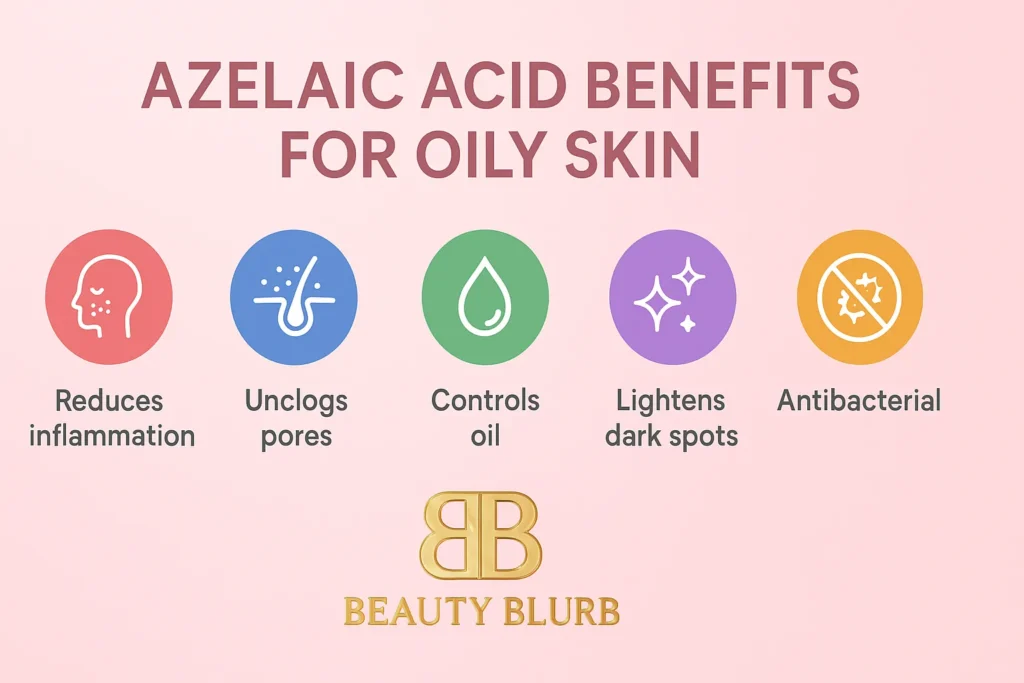
1. Reduces Excess Sebum and Controls Oil
One of The Best benefits of azlaic acid for oily skin, is helps regulate sebum production, reducing the greasy shine common in oily skin.
Clinical Evidence: A study at the Medical University of Łódź on 27 women showed significant and lasting reduction in sebum after six sessions of 20% azelaic acid.
Source: PubMed
2. Fights Acne
It targets acne-causing bacteria (Propionibacterium acnes) and helps unclog pores, reducing blackheads and pimples.
Clinical Evidence: Research shows 15–20% azelaic acid gel used twice daily for 3 months was as effective as benzoyl peroxide or tretinoin in reducing acne lesions.
3. Smooths Skin Texture
By gently normalizing skin cell turnover, it prevents clogged pores and rough patches, giving a smoother feel.
Clinical Evidence: A study with 20% azelaic acid cream showed improved keratinization, thinner stratum corneum, and reduced pore blockage.
Source: PMC Study
4. Reduces Redness & Inflammation
It calms irritated skin and reduces redness, especially in oily and acne-prone skin.
Clinical Evidence: Multiple trials demonstrate its anti-inflammatory effects by reducing markers of skin irritation and acne-related inflammation.
5. Fades Dark Spots
Azelaic acid gently lightens hyperpigmentation and post-acne marks, helping skin tone look more even.
Clinical Evidence: Dermatology guidelines confirm it inhibits tyrosinase, reducing melanin production and improving acne-related pigmentation.
Source: Wikipedia – Azelaic Acid
6. Gentle Yet Effective
Unlike harsher treatments, it’s suitable for long-term use on oily skin without excessive irritation.
Clinical Evidence: Compared to tretinoin and benzoyl peroxide, azelaic acid showed similar results but with fewer side effects, making it a safer long-term option.
✅ Bottom line: Azelaic acid isn’t just good for oily skin—it’s scientifically proven to reduce oil, acne, rough texture, redness, and pigmentation, all while being gentle enough for continuous use.
How to Use Azelaic Acid for Oily Skin (Step-by-Step Guide)
I know what you’re probably wondering right now: what’s the correct way to use azelaic acid in an oily skin routine? Don’t worry—I’ve got you covered with a simple, step-by-step guide.
- Cleanser (Gentle, Oil-Free): Begin with a mild foaming cleanser to remove oil and impurities without over-drying.
- Toner (Optional): If you use toner, choose an alcohol-free, soothing formula.
- Serum: Dermatologists recommend applying lighter, water-based serums (like hyaluronic acid for hydration or niacinamide for oil control) before azelaic acid. This allows the serum to penetrate easily while keeping azelaic acid effective.
- Azelaic Acid Application: Apply a pea-sized amount of azelaic acid to the whole face or only to oily/acne-prone areas. According to dermatologists, it works best on clean, slightly dry skin and should be applied after lighter serums but before thicker moisturizers.
- Moisturizer (Non-Comedogenic): Seal everything in with a lightweight, oil-free moisturizer. Even oily skin needs this step to prevent rebound oiliness.
- Sunscreen (Morning Routine): If applied in the morning, finish with broad-spectrum SPF 30+. Dermatologists emphasize that azelaic acid can make your skin more sensitive to the sun, so sunscreen is a must.

Pro Tips For Good Results:
- Start once daily (preferably at night) to test tolerance.
- If your skin adjusts well after 1–2 weeks, you can increase to twice daily.
- Avoid layering with strong exfoliating acids (AHA/BHA) or high-strength retinoids in the same routine to reduce irritation.
Azelaic acid is dermatologist-approved as a safe, effective option for oily skin. It controls oil, calms inflammation, and brightens skin tone—all without the harsh side effects of stronger treatments.
Try adding it into your routine, and share your experience in the comments below—we’d love to hear how azelaic acid works for your oily skin! ✨
💡 Pro tip: If you’d like to see a full dermatologist-recommended skincare routine for oily skin, check out my detailed guide Dermatologist Recommended Skin Care Routine for Oily Skin.
What percentage of azelaic acid is safe during pregnancy?
Is azelaic acid safe during pregnancy? Yes — dermatologists and the American College of Obstetricians and Gynecologists (ACOG), consider azelaic acid one of the few topical treatments that are safe to use during pregnancy.
Unlike retinoids or high-strength salicylic acid, azelaic acid is non-teratogenic (does not harm the fetus) and is generally well tolerated when used at typical skincare concentrations.
Safe Concentrations of Azelaic Acid During Pregnancy
| Concentration | Formulation | Safety During Pregnancy | Notes from Dermatologists |
|---|---|---|---|
| 10% | OTC creams/serums (e.g., The Ordinary, Typology) | ✅ Safe | Gentle concentration suitable for daily use on oily/acne-prone skin. |
| 15% | Prescription (Finacea® gel/foam) | ✅ Safe | Frequently prescribed for rosacea and acne during pregnancy. Well-studied in clinical use. |
| 20% | Prescription cream (Azelex®) | ✅ Safe but dermatologist-supervised | Higher potency; still considered safe, but usually reserved for persistent acne/hyperpigmentation. |
Azelaic acid at 10–20% is considered safe in pregnancy, but it’s always best to consult your dermatologist before starting or adjusting treatments.
If you’re pregnant and dealing with oily skin or acne, azelaic acid may be one of the safest and most effective options available. 🌸
Azelaic Acid Side Effects for Oily Skin
When starting with azelaic acid for oily skin, most people experience little to no irritation, which makes it safer than many other active ingredients like retinoids or benzoyl peroxide. However, as with any treatment, there are possible side effects that you should be aware of before adding it to your skincare routine.
Common Side Effects
- Mild dryness or peeling – because azelaic acid helps to unclog pores, your skin may feel slightly tight at the beginning.
- Redness or burning sensation – especially if you apply it in high concentration or use it too often in the first weeks.
- Purging – some people notice temporary breakouts as pores clear out, but this usually improves within 2–4 weeks.
Less Common But Possible
- Itching or stinging – usually subsides as your skin adjusts.
- Hypopigmentation – very rare, but may occur in darker skin tones when using higher concentrations without medical supervision.
How to Reduce Irritation
- Start with lower concentration (10%) before moving to 15–20%.
- Apply only once a day at first, then increase to twice daily if your skin tolerates it.
- Always follow up with a moisturizer to keep the skin barrier healthy.
- Avoid layering immediately with other strong actives (like AHAs, BHAs, or high-strength retinoids).
👉 So, is azelaic acid oily skin friendly? Yes — when introduced gradually, it’s one of the safest and most effective actives for controlling oil, breakouts, and uneven texture without overwhelming your skin barrier.
Is Azelaic Acid or Vitamin C Better for Acne Prone Skin?
When it comes to acne-prone and oily skin, many people wonder whether azelaic acid or vitamin C is the better choice. Both are powerful actives, but they work differently. Understanding their strengths will help you decide which ingredient to prioritize in your routine.
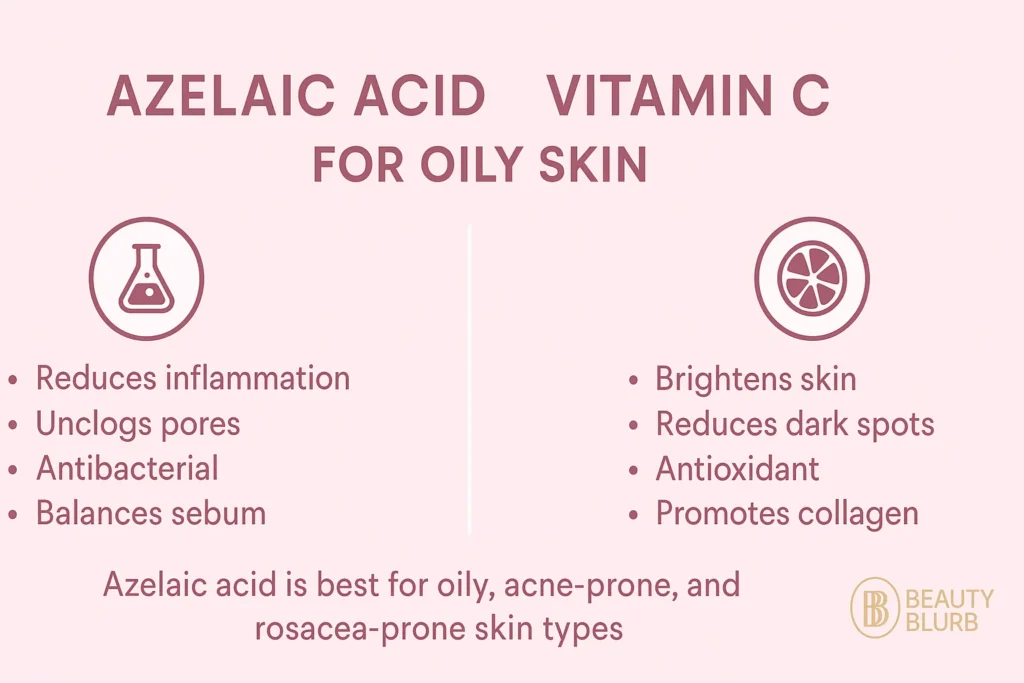
Comparison: Azelaic Acid vs. Vitamin C for Acne
| Feature | Azelaic Acid | Vitamin C |
|---|---|---|
| Acne Control | ✅ Reduces inflammation, unclogs pores, antibacterial effect | ⚪ Limited direct effect on acne, mainly brightening |
| Oil Regulation | ✅ Helps balance sebum production | ⚪ No direct oil-control properties |
| Hyperpigmentation | ✅ Fades post-acne marks and melasma | ✅ Brightens skin and reduces dark spots |
| Skin Sensitivity | ⚪ Generally well tolerated, mild irritation possible | ⚠️ Can be irritating, especially at high concentrations |
| Best For | Oily, acne-prone, rosacea-prone skin | Dull skin, uneven tone, early aging signs |
Can I use azelaic acid with vitamin C? Yes, you can. Both ingredients target different concerns and can complement each other when layered correctly. Dermatologists usually recommend applying vitamin C in the morning (for antioxidant protection) and azelaic acid at night (for acne and oil control).
If you prefer using them together, apply vitamin C first, wait a few minutes, and then follow with azelaic acid to minimize irritation.
Can I Use Azelaic Acid with Retinol?
Many people with oily or acne-prone skin wonder: can I use azelaic acid with retinol? The short answer is yes, but it requires a thoughtful approach.
Both ingredients are powerful: retinol speeds up cell turnover, while azelaic acid reduces inflammation, unclogs pores, and brightens skin. Used together, they can target acne, texture, and hyperpigmentation more effectively.

How to Combine Azelaic Acid and Retinol Safel
- Start Slowly – introduce one ingredient first (2–3 times per week), then add the second once your skin adjusts.
- Alternate Nights – use azelaic acid on some nights and retinol on others to reduce irritation risk.
- Layering Option – if your skin is tolerant, apply azelaic acid first (water-based), wait a few minutes, then apply retinol. Always finish with a moisturizer.
- Sun Protection – both ingredients can make your skin more sensitive to the sun, so daily SPF is a must.
Who Should Avoid This Combo?
- If you have very sensitive skin or conditions like eczema, pairing azelaic acid and retinol may be too strong.
- If you’re pregnant or breastfeeding, retinol should be avoided — but azelaic acid remains safe.
Final Note:
Using azelaic acid with retinol can be a game-changer for oily and acne-prone skin — but the key is patience. Start gradually, listen to your skin, and consult a dermatologist if you’re unsure how to add both into your routine.
What Not to Mix with Azelaic Acid?
What should you not mix with azelaic acid?, I always like to be honest with you — I consider you like a friend, and I don’t want you to make mistakes that could backfire on your skin. That’s why I’ve gathered some ingredients you should avoid mixing with azelaic acid, especially if you have oily or sensitive skin.
1. Strong Exfoliating Acids (AHAs & BHAs)
- Ingredients like glycolic acid, lactic acid, and salicylic acid can be too harsh when layered with azelaic acid.
- The combo may cause redness, dryness, and peeling.
👉 If you want to use them, alternate on different days.
2. Benzoyl Peroxide
- Both azelaic acid and benzoyl peroxide fight acne, but together they can over-dry the skin.
- Dermatologists often recommend choosing one at a time or using them in different routines (morning vs. night).
3. High-Strength Retinoids
- While retinol can be paired carefully with azelaic acid, strong prescription retinoids (like tretinoin) are more irritating.
- Using them together may lead to burning, flaking, and sensitivity.
4. Harsh Physical Scrubs
- Combining grainy scrubs with azelaic acid is too abrasive.
- Stick to one gentle exfoliant at a time to protect your skin barrier.
Final Note
Azelaic acid works best when paired with soothing, hydrating ingredients like hyaluronic acid, niacinamide, and ceramides. If you’re not sure how to combine it with your current products, start simple — your skin will thank you later. 💕
Best Azelaic Acid Products for Oily Skin
My friend, I know you’re probably wondering right now: which azelaic acid is best for oily skin? With so many serums and creams out there, it can get a little overwhelming. Don’t worry — I’ve picked some of the top-rated options that dermatologists and real users love, especially for oily and acne-prone skin.
Here’s a quick comparison table to help you choose:
| Product | Brand | Key Benefit | Price Range |
|---|---|---|---|
| Azelaic Acid Suspension 10% | The Ordinary | Affordable, helps with texture & oil control | $10 – $15 |
| Azelaic Acid Booster 10% | Paula’s Choice | Targets acne, redness & uneven skin tone | $36 – $40 |
| Azelaic Acid Serum 10% | Typology | Light texture, reduces shine & breakouts | $25 – $30 |
| Finacea Gel 15% | Prescription | Dermatologist-strength, great for acne & rosacea | 25$é( – $30 |
So, have you tried any of these azelaic acid products for oily skin?
I’d love to hear about your experience in the comments or even through email — and if you’re okay with it, I might feature your story on my website to help others learn from your journey. 🌸
Before and After Azelaic Acid for Oily Skin
One of our followers kindly shared her experience with azelaic acid for oily skin along with her before and after photo. We’re keeping her identity private, but we’re excited to show the real results she achieved!
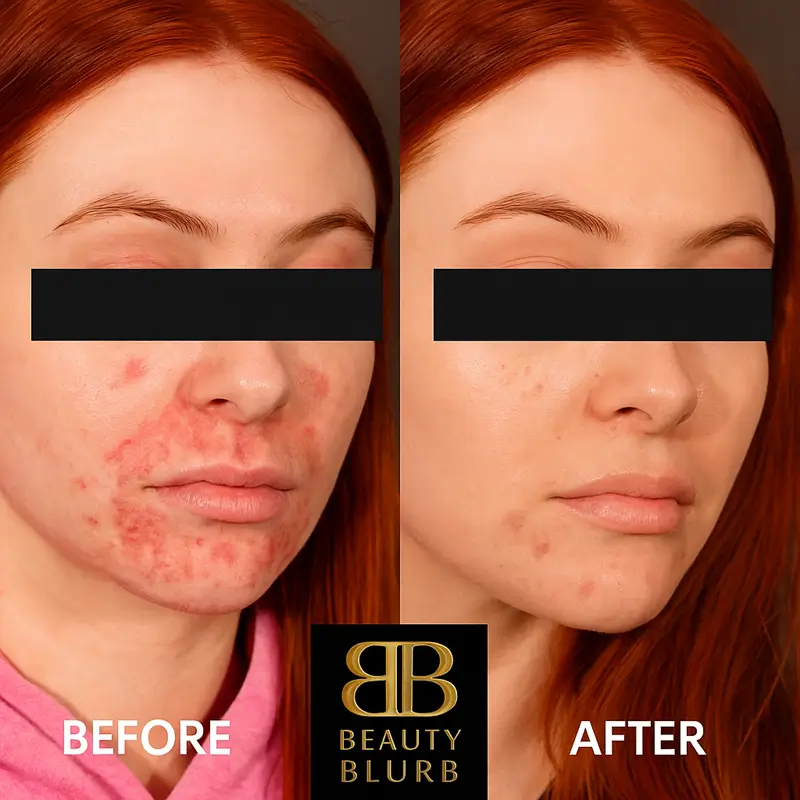
- Before: Visible acne, oily shine, uneven skin tone.
- After: Clearer skin, less oil, smoother texture, and a brighter complexion.
💡 Pro Tip: Results can vary depending on skin type, concentration, and routine consistency. Patience is key — most people start seeing improvements within 4–8 weeks of regular use.
Azelaic Acid for Oily Skin Reddit: Experiences & Tips
If you’re navigating the world of skincare, especially with oily skin, you’ve probably come across azelaic acid. Many Reddit users have shared their experiences with this ingredient, highlighting its benefits and challenges. Here’s a summary of their insights:
✅ Positive Experiences
Several users have reported significant improvements in their skin condition after incorporating azelaic acid into their routines:
“Azelaic acid helped me more with acne in that area, but niacinamide + zinc was better for oil control.” Reddit.
“Azelaic acid is extremely difficult to formulate, often leading to products having undesirable textures.” Reddit.
“Azelaic acid is a literal god-send. I use it alongside a 2.5% benzoyl peroxide wash in the PM. Nothing has helped reduce redness and fade hyperpigmentation marks as much as azelaic acid has, even at 10% concentrations.” Reddit.
⚠️ Challenges and Considerations
While many have had positive experiences, some users have faced challenges:
“I started with The Ordinary’s, but it caused me to flush severely, and pilled like crazy. The two combined made it impossible to use in the morning, and since I like to use other actives at night, I never got into a good routine with it.”Reddit
“I’ve noticed it’s made the areas I’ve applied it on quite shiny. The skin looks almost overexfoliated. I haven’t had any burning/tingling/other side effects …”. Reddit.
🧴 Product Recommendations
Based on user feedback, here are some azelaic acid products that have been well-received:
- NURX 15% Azelaic Gel: Praised for its effectiveness in treating acne and rosacea.
- Peach Slices Redness Relief Azelaic Acid Serum: Noted for its gentle formulation and effectiveness.
- Cos De Baha 10% Azelaic Acid Serum: Recommended for its affordability and efficacy in reducing redness and hyperpigmentation.
💡 Tips for Use
- Start Slowly: Begin with a lower concentration and gradually increase to assess skin tolerance.
- Patch Test: Always perform a patch test before full application to avoid potential reactions.
- Consistency is Key: Regular use can lead to noticeable improvements over time.
Remember, skincare is highly individual. What works for one person may not work for another. It’s essential to listen to your skin and consult with a dermatologist if you have concerns.
FAQ Of Azelaic Acid For Oily Skin
Thank you so much for taking the time to read our guide on Azelaic Acid for Oily Skin! We hope this article has helped you understand how this amazing ingredient can transform your skincare routine.
We’d love to hear about your personal journey! Have you tried azelaic acid yet? What results did you notice? Share your experience in the comments below – your story might inspire others on their path to healthier, glowing skin. 💖
Remember, every skin is unique, so take it slow, observe how your skin reacts, and enjoy the process of discovering what works best for you. Happy skincare!

Akram Boulaid is a dedicated Skincare Researcher and Analyst with over 7 years of intensive focus on dermatology and cosmetic ingredient science. As a globally recognized expert, his insights have been featured in major international publications, including the New York Post and GB News. A verified expert on Qwoted, Akram connects with health journalists to provide evidence-based analysis. He founded Beauty Blurb to bridge the gap between complex clinical data and practical skincare routines, specializing exclusively in the needs of oily and acne-prone skin through rigorous analysis of peer-reviewed scientific literature.