If you are searching for a Homemade Face Mask for Dark Spots, the good news is that you don’t need to look far.
Two of the best and safest options you can try at home are a yogurt and turmeric mask, which helps brighten the skin, and a clay and green tea mask, which balances oily skin while gently fading spots. Both are simple, quick to prepare, and perfect if you want a natural solution.
In this article, we’ll go deeper into the question many people ask: what is the best homemade face mask for pimples and dark spots. You’ll discover why dark spots appear,
which natural ingredients actually work, step-by-step DIY recipes that are safe for oily skin, tips for patch-testing, and when it’s time to see a dermatologist. By the end, you’ll have a clear and practical guide to start treating your skin the natural way.
Quiq Table: Best Homemade Dark Spot Remover
At Beauty Blurb, we’ve gathered the best natural masks for dark spots — carefully selected based on dermatologist insights, our own experience, and what people actually find effective in their daily routines.
If you’re looking for safe and simple remedies at home, here are some of the top choices.
| Face Mask Recipe | Key Benefits | Best For |
|---|---|---|
| Turmeric and Honey Face Pack | Brightening, antibacterial, reduces inflammation | Oily & acne-prone skin |
| Aloe Vera and Turmeric Face Pack | Soothing, healing, fades pigmentation | Sensitive skin with dark spots |
| Orange Peel Powder and Rose Water Face Pack | Natural vitamin C, lightens spots, refreshes skin | Dull & oily skin |
| Sandalwood Powder and Rose Water Face Pack | Cooling, calming, evens out skin tone | Combination & blemish-prone skin |
| Green Tea and Clay Face Pack | Oil control, detox, reduces post-acne marks | Oily & acne-prone skin |
| Yogurt and Turmeric Mask | Gentle exfoliation, brightening, nourishes skin | All skin types |
| Potato Juice and Aloe Vera Mask | Natural bleaching, soothing, fades scars | Dark spots from acne or sun damage |
Now that you’ve discovered the best homemade face mask for pimples and dark spots, let’s move to the next step — how to prepare them correctly, based on our tested methods and expert tips.
Best 7 Homemade Face Mask for Dark Spots and Pimples
Dealing with stubborn dark spots or post-acne marks can feel frustrating, but the solution doesn’t always have to come in a bottle. Nature offers plenty of powerful ingredients that can brighten, heal, and restore your skin—right from your kitchen!
In this section, we’ll explore seven proven DIY face masks that people (and even dermatologists) swear by for fading spots and calming breakouts.
Turmeric and Honey Face Pack for Dark Spots
This tried-and-true homemade face mask for dark spots and acne scars brings together turmeric’s inflammation-taming power and honey’s antibacterial, soothing benefits.
It’s a gentle duo that helps calm breakouts, fade pigmentation, and bring your glow back—especially friendly for oily, acne-prone skin.
Clinical backing:
- A comprehensive 2016 systematic review by Alexandra R. Vaughn, Amy Branum, and Raja K.
- Sivamani (University of California, Sacramento, Department of Dermatology) found significant evidence that turmeric (curcumin) exhibits anti-inflammatory, antioxidant, and antimicrobial effects when applied topically or ingested—which may help with acne, hyperpigmentation, and overall skin health. Source.
Ingredients Of Mask For Dark Spots:
- 1 tsp turmeric powder.
- 1 tbsp raw (unpasteurized) honey.
How to prepare & use For Dark Spots:
- Mix turmeric and honey into a smooth paste.
- Gently apply to your dark spots and acne-scar areas on cleansed skin.
- Leave on for 10–15 minutes.
- Rinse off with lukewarm water, then moisturize as usual.
- Use 2–3 times per week. Always patch-test first to check for sensitivity.
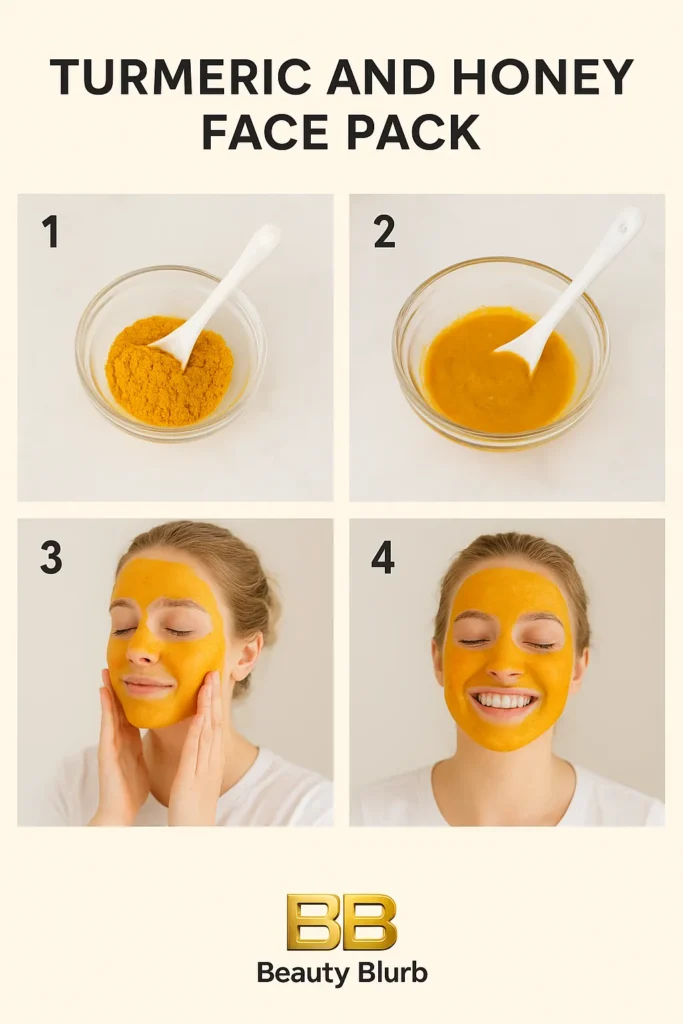
Give this golden mask a try—you might be surprised by how noticeably brighter and smoother your skin feels! Drop a comment below and let us know: what did you notice after your first use?
2. Aloe Vera and Turmeric face mask for Dark Spots
This is one of the best homemade face mask for dark spots you can whip up, blending the calming hydration of aloe vera with turmeric’s skin-brightening touch.
It’s a gentle, nourishing duo especially ideal if your skin is oily or prone to post-acne marks.
Science behind it:
- According to Healthline (reviewed by DNP Cynthia Cobb, April 2023), aloe vera contains active compounds like aloesin and aloin that help lighten hyperpigmentation by suppressing melanin formation and gently fading existing pigmentation. Source.
- Another clinical perspective (Journal of Integrated Dermatology, Feb 2024) includes liposomal aloe vera and turmeric as safe integrative options for treating dark spots, even during pregnancy. Source.
What you’ll need:
- 1 tablespoon pure aloe vera gel (fresh or store-bought).
- A pinch of turmeric powder.
Step-by-step directions:
- First, Stir aloe gel and turmeric until they form a smooth paste.
- Then Spread it gently onto areas with dark spots or acne marks.
- After That, Let it sit for 15–20 minutes.
- Finaly, Rinse with cool water and follow with a light moisturizer.
- Apply 2–3 times weekly—and don’t jump right in without testing a patch on your wrist first.

Give it a go: You’ve just discovered a natural way to soothe and lighten skin right from your kitchen. Try this mask and share your experience—did it leave your skin brighter or calmer? Your feedback helps us all glow together!
3. Orange Peel Powder and Rose Water for Brightening
This Natural face pack for oily skin and dark spots skillfully blends the brightening prowess of orange peel powder with the gentle, refreshing touch of rose water.
It’s an ideal combo that helps balance excess oil, smooth out pigmentation, and give your skin a healthy, radiant glow.
Backed by research:
- Studies show that orange peel extracts are rich in vitamin C, citric acid, and flavonoids—powerful compounds known to lighten hyperpigmentation and even skin tone .
- Moreover, research highlights that these extracts possess anti-inflammatory and antibacterial properties, helping reduce acne-causing bacteria and soothe breakouts
Ingredients:
- Orange peel powder.
- Pure rose water.
How To Make at home face mask for dark spots:
- First, mix orange peel powder with rose water until it forms a smooth paste.
- Then apply it to areas with dark spots or excess shine.
- Let it rest on your skin for 15–20 minutes.
- Afterwards, rinse gently with lukewarm water and pat dry.
- Use this pack once or twice weekly for best results—just be sure to patch-test first!
With its rich vitamin C content and natural exfoliating action, the orange peel and rose water blend has been valued in traditional skincare routines for generations.
Over time, this simple preparation can help refine texture, reduce excess oil, and gradually soften the look of dark patches—making it a timeless option in natural beauty care.
4. Sandalwood Powder and Rose Water for a Calm, Even Glow
Looking for a gentle yet effective homemade face mask for dark spots and acne?
This blend of sandalwood’s cooling, pore-tightening power with rose water’s soothing hydration offers just that—perfect for calming redness and softening post-acne marks, while nurturing your skin’s natural glow.
Supported by science:
- According to Healthline, sandalwood (particularly its active compound alpha-santalol) provides anti-inflammatory, antimicrobial, and scar-reducing effects, making it ideal for soothing acne-prone skin and fading lingering pigmentation.
- Further, research highlights sandalwood’s ability to inhibit tyrosinase—an enzyme involved in melanin production—helping promote a more even skin tone over time.
Ingredients Of Homemade Face Mask For Dark Spots:
- Sandalwood powder
- Rose water
Step-by-step method For Dark Spots:
- First, combine sandalwood powder with enough rose water to make a smooth, blendable paste.
- Then, apply it to areas with lingering dark patches or oily shine.
- Next, leave the mask on your skin for about 15–20 minutes.
- Afterwards, rinse with lukewarm water and gently pat your skin dry.
- Finally, follow up with a lightweight moisturizer—use this treatment 2–3 times per week, and don’t forget to patch-test before full use.
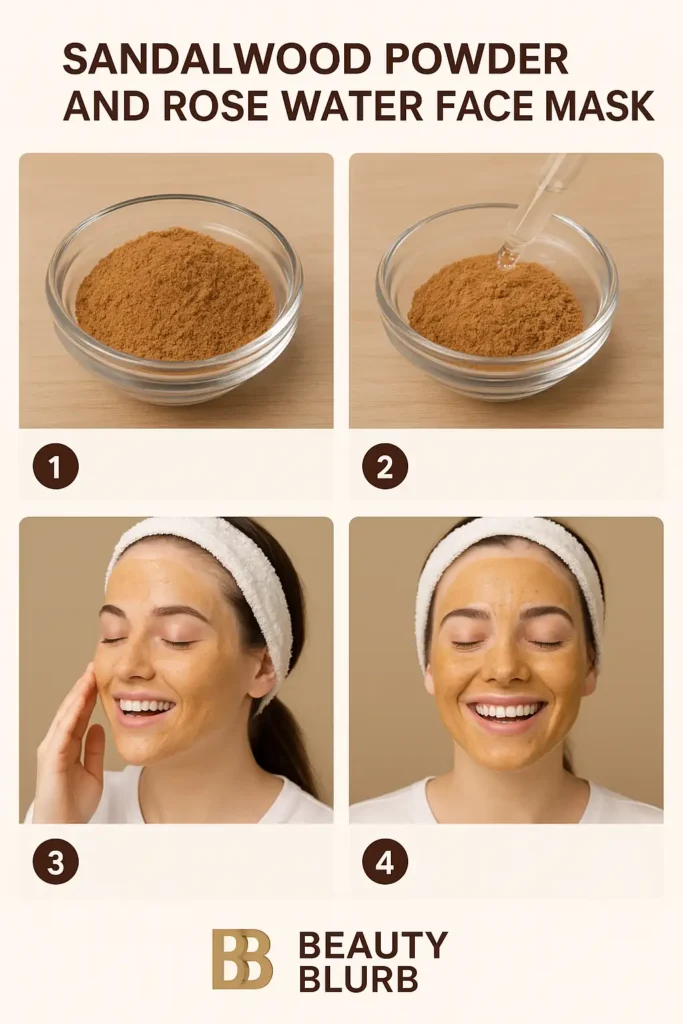
This classic remedy, cherished through ages, brings balance and healing to your skin—without overwhelming it. Let your skin savor a peaceful glow, one application at a time.
5. Green Tea and Clay Face Pack for Dark Spots
If you’re searching for the best homemade face mask for hyperpigmentation, this blend of green tea’s antioxidants and clay’s purifying knack delivers it beautifully.
Clay draws out buildup and oil, while green tea calms redness and gently fades dark spots—making it perfect for oily, troubled skin needing a clearer, brighter complexion.
Evidence you can trust:
- A clinical study involving 75 adults with oily or combination skin applied a clay mask twice a week for four weeks.
- Results showed notable reductions in acne lesions, sebum levels, and improved skin texture and hydration—with no irritation reported.
- The mask was both effective and well-tolerated, reinforcing clay’s benefit for acne-prone and oily skin. Source.
- Plus, green tea—rich in polyphenols like EGCG—has been shown to reduce hyperpigmentation and enhance skin tone by stimulating collagen, according to skincare research .
How To Use This Face Pack For Dark Spots:
- A teaspoon of green tea (finely ground or matcha)
- A teaspoon of natural clay (e.g., kaolin or bentonite)
Simple preparation flow:
- Begin by stirring green tea and clay until they merge into a creamy paste.
- Next, smooth it over your face, focusing on areas with excessive shine or dark patches.
- Then leave it to work for 10–15 minutes, avoiding inviting it to become chalky.
- After that, rinse gently with lukewarm water and follow with a lightweight toner or moisturizer.
- Lastly, repeat this ritual once or twice a week—and test a small patch first if you’re trying it for the first time.
Soft close, no push: This timeless, no-fuss combination brings nature’s best to your skin. Let each session be a moment of gentle care, revealing a cleaner, calmer, more luminous you—one layer at a time, my friend.
6. Yogurt and Turmeric Mask For Dark Spots
This is a tried-and-true dark spots face mask homemade—a creamy blend of yogurt’s gentle exfoliating lactic acid and turmeric’s brightening properties.
Together, they tackle uneven pigmentation and bring back a soft, refreshed finish—especially soothing for oily or reactive skin.
Research spotlight:
- A clinical evaluation of a facial preparation containing yogurt (F-YOP) revealed remarkable improvements in skin hydration, elasticity, and brightness.
- Participants showed up to 140 % increase in cheek moisture, reduced transepidermal water loss, and maintained elasticity compared to untreated areas—highlighting yogurt’s real, measurable effects on skin health .
You’ll need:
- 1 tablespoon of plain, unsweetened yogurt
- A small pinch of turmeric powder
Simple steps to apply For Dark Spots:
- Mix yogurt and turmeric until they form a smooth, spreadable texture.
- Then, gently apply it to areas with dark spots or where your skin feels dull.
- Leave on for 10–15 minutes, allowing the lactic acid to work.
- Afterwards, rinse off with lukewarm water, pat dry, and follow up with a light moisturizer.
- Use this mask twice a week—but always patch-test first on your inner arm to check for sensitivity.

A reflective close: This quiet, nourishing blend isn’t about dramatic claims—it’s about gentle care that lets your skin rediscover its own clarity and calm. A subtle glow, one jar at a time.
7: Potato Juice and Aloe Vera Mask
This diy dark spot mask blends potato juice’s natural brightening elements with the calming hydration of aloe vera. It’s a budget-friendly combo that helps soften pigmentation while soothing acne-prone or tired skin.
Science in a nutshell:
- A study published in the Journal of Medicinal Plant Studies highlights that raw potato juice contains azelaic acid and enzymes like catecholase.
- which can inhibit tyrosinase activity—the enzyme that drives melanin production—leading to a gentle reduction of dark spots and uneven pigmentation
What you’ll mix up:
- 2 teaspoons of freshly extracted potato juice
- 1 teaspoon of pure aloe vera gel
how to make a homemade face mask for dark spots:
- First, extract the juice from a peeled, grated potato using a fine cloth or strainer, then soak the grated bits with aloe vera until smooth.
- Then, blend potato juice and aloe until they form a uniform, silky paste.
- Next, apply it gently on areas with dark spots or uneven texture.
- After that, leave it on for 15–20 minutes while you relax.
- Finally, rinse thoroughly with lukewarm water, pat your skin dry, and follow with a lightweight moisturizer. Be sure to use this mask 1–2 times a week—and always patch-test on your forearm before applying to your face.
All these tried-and-true remedies bring us back to one essential truth: there’s power in simplicity. Whether it’s the cooling calm of Aloe, the gentle draw of clay, or the creamy embrace of Yogurt, each is crafted by nature—and refined by you.
When you create your own homemade face mask for dark spots and pigmentation, you’re not just treating your skin—you’re honoring its gentle rhythms and building care that lasts.
How Often Should I Use These Face Packs
When it comes to natural skincare, frequency matters just as much as the ingredients themselves.
Overusing a mask can cause irritation, while too little use may not bring the desired results. Here’s a simple guide to help you know how often to use each homemade mask safely.
Pro Tip:
Always remember: natural doesn’t always mean irritation-free.
Before applying any mask to your whole face, test it on a small patch of skin—like your inner arm or behind your ear. This simple step ensures the mask suits your skin and keeps your routine safe and effective.
Precautions & Side Effects of Homemade Face Masks
Let’s be honest for a second, my friend. Even though a Homemade Face Mask for Dark Spots and Pimples sounds gentle and safe, your skin is still unique—what works for someone else may not work exactly the same for you.
Natural doesn’t always mean risk-free, and that’s why taking a few precautions is super important. Here are a few things to keep in mind before you start applying these packs:
- Do a patch test first. Always try the mask on a small area of your skin (like your wrist or behind your ear) and wait 24 hours. If you notice redness, itching, or burning, it’s better not to use it on your face.
- Avoid broken or inflamed skin. If you have active acne, cuts, or irritation, applying a mask can make things worse.
- Don’t overuse. More is not always better—sticking to the recommended frequency keeps your skin balanced.
- Be careful with strong ingredients. Things like lemon, turmeric, or essential oils can be harsh if left on for too long.
- Consult a dermatologist if your dark spots are stubborn or linked to a medical condition—sometimes home remedies need professional backup.
Bottom line: your skincare journey should be safe as well as effective. Take it slow, listen to your skin, and treat these masks like supportive friends, not magic shortcuts.
Common Ingredients to Avoid When Using Homemade Face Mask for Dark Spots
I’ve seen so many beauty blogs sharing DIY recipes without any scientific validation or real user trials. some even include ingredients that could do more harm than good.
Since you’re seeking a safe Homemade Face Mask for Dark Spots, I want to give you a heads-up about ingredients that are popular in recipes but may irritate oily skin, worsen pigmentation, or trigger acne.
Ingredients You Should Steer Clear of (Especially with Oily Skin or Dark Spots):
| Ingredient | Why It Can Be Problematic |
|---|---|
| Lemon juice | Forces skin dryness, increases photosensitivity and may lead to burns or darkening when exposed to sunlight. |
| Baking soda | Disrupts skin’s natural pH, over-strips oils and may provoke rebound oiliness or irritation. |
| Coconut oil | Highly comedogenic (pore-clogging), can cause blackheads and breakouts—especially on oily or acne-prone skin. |
| Cinnamon (powder/oil) | A known strong irritant; can cause redness, painful stinging or allergic contact dermatitis. |
| Undiluted essential oils | Even “natural” doesn’t mean gentle—pure oils like peppermint or citrus can irritate, especially on sensitive or pigmented skin. |
When choosing or crafting a Homemade Face Mask for Dark Spots, it’s just as important to know what not to include as it is to know which ingredients to embrace.
Your skin deserves care that’s both nurturing and safe—so steer clear of these harsh components and prioritize gentle formulas that support your glow without compromise.
Tips for Dark Spots and Oily Skin
Using a Homemade Face Mask for Dark Spots and Pimples is a great way to support your skin naturally, but let’s be honest—true improvement doesn’t come from masks alone. Your daily habits and skincare choices make all the difference.
Think of these tips as the “aftercare” that helps your masks work even better.
- 🌞 Wear sunscreen daily – Sun exposure can darken existing spots and slow healing.
- 💧 Stay hydrated – Drink plenty of water throughout the day to keep your skin balanced and glowing.
- 🧴 Don’t skip moisturizer – Even oily skin needs hydration; the right lightweight moisturizer helps protect your barrier.
- 🥦 Eat antioxidant-rich foods – Fruits, veggies, and green tea fight oxidative stress that worsens pigmentation.
- 😴 Prioritize quality sleep – Skin repairs itself at night, so don’t skimp on rest.
- 🙅♀️ Hands off pimples – Picking or squeezing only leaves behind deeper scars and stubborn spots.
Consistency is key. Homemade remedies give you a natural boost, but pairing them with healthy habits is what truly creates lasting results for your skin.
FAQ Of diy hyperpigmentation mask
Thank you so much for staying with me until the end of this guide. I truly hope you found helpful insights and new ideas to care for your skin naturally.
Remember, every skin journey is unique—what works for one person may take more time for another.
If you try any Best Homemade Face Mask for Dark Spots, I’d love to hear about your results! Share your experience in the comments below so we can all learn and support each other. Your voice really matters here 🌸.
And hey, don’t forget to subscribe to stay updated with more natural skincare tips, dermatologist-approved advice, and step-by-step routines designed especially for oily and spot-prone skin.
Your clear, glowing skin journey starts today, and I’m so glad to be part of it with you. 🌿✨

Akram Boulaid is a dedicated Skincare Researcher and Analyst with over 7 years of intensive focus on dermatology and cosmetic ingredient science. As a globally recognized expert, his insights have been featured in major international publications, including the New York Post and GB News. A verified expert on Qwoted, Akram connects with health journalists to provide evidence-based analysis. He founded Beauty Blurb to bridge the gap between complex clinical data and practical skincare routines, specializing exclusively in the needs of oily and acne-prone skin through rigorous analysis of peer-reviewed scientific literature.