
It works as a gentle, natural astringent that helps control excess sebum, tighten pores, and restore your skin’s pH balance.
Its soothing anti-inflammatory and antibacterial properties make it ideal for calming redness and preventing acne breakouts, all while keeping the skin hydrated without adding greasiness.
To get the best results, apply rose water after cleansing as a toner, use it as a refreshing face mist during the day, or add it into simple DIY masks for extra oil control.

In this guide, we’ll take a closer look at everything you need to know about rose water for oily skin — from its top benefits and the best ways to use it, to recommended products,
DIY options, and key precautions. By the end, you’ll know exactly how to make rose water a natural part of your daily skincare routine.
What Is Rose Water and How Does It Work?
Rose water is a natural skincare product made by distilling fresh rose petals in water. For centuries, it has been valued not just for its light floral scent, but also for its skin-loving properties.
Today, it’s commonly used as a natural toner and hydrating mist, especially for people with oily or acne-prone skin.
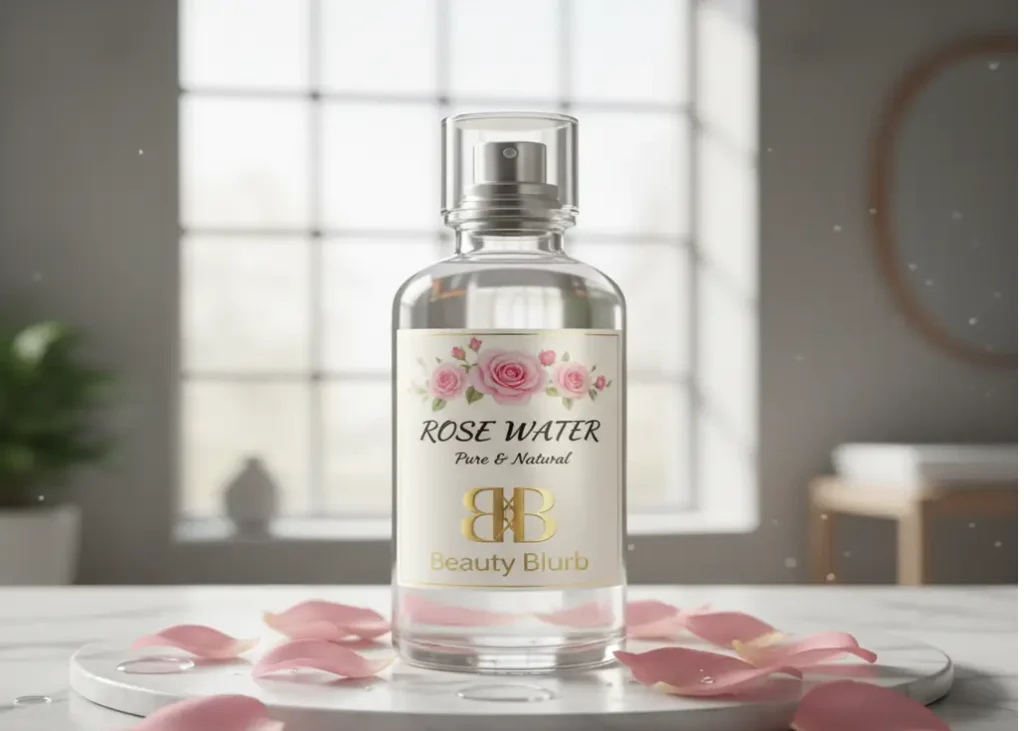
What makes rose water effective is its unique combination of antioxidants, mild astringent compounds, and anti-inflammatory properties.
These help restore your skin’s pH balance, tighten pores, and gently remove leftover dirt or oil without stripping the skin.
Unlike harsh chemical toners, rose water provides hydration while keeping the skin feeling fresh and clean — making it a perfect addition to any oily skin care routine.
In simple terms, rose water works by refreshing, soothing, and balancing the skin barrier.
It delivers just enough moisture to prevent dryness, while still helping to control excess sebum, which is the key challenge for oily skin.
Is Rose Water Good for Oily Skin?
I’ve already given you the short answer — yes, rose water can benefit oily skin. But let’s look at it in more detail.
While there are only a few scientific studies directly focused on rose water, its natural compounds like antioxidants and anti-inflammatory agents suggest potential skin benefits.
At the same time, much of what we know comes from traditional use and user experiences, where rose water is valued as a gentle toner that helps control excess oil and calm irritation.
What Are The Benefits of Rose Water for Oily Skin?
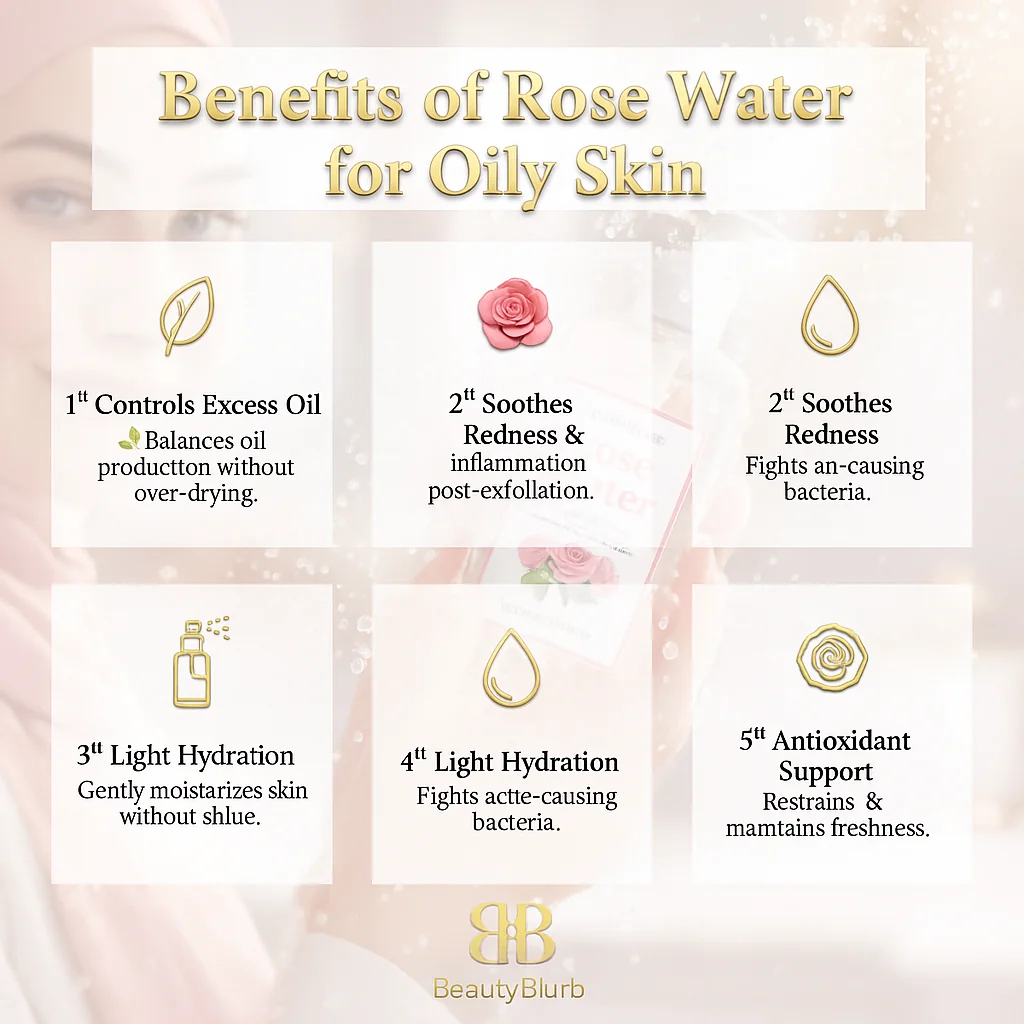
1: Controls Excess Oil & Balances Sebum
Rose water acts as a mild astringent, gently helping to remove surface oil and reduce shiny buildup. For those with oily skin, this trait is especially valuable:
it helps maintain skin clarity without over-drying. A well-formulated rose water toner for oily skin can support your skin’s natural oil balance while still feeling light.
Clinical / Scientific Evidence:
- A 2018 study on Rosa gallica petal extract found that it reduced ultraviolet-induced inflammatory signaling (MAPK pathways), and exhibited strong antioxidant activity.
which helps calm stress responses in skin cells. PMC - Also, a 2011 in vitro study showed that rose extract significantly lowered IL-8 release (a marker of inflammation) in human fibroblasts.
suggesting protective activity under oxidative stress. BioMed Central
2: Soothes Redness & Irritation
One of the common complaints for oily/combination skin is sensitivity or inflammation triggered by active ingredients.
Rose water’s soothing compounds help reduce redness and calm irritation after using exfoliants or harsh treatments — making it a gentle option in your rose water skincare routine.
Clinical Study:
- The same Rosa gallica petal extract study demonstrated that it suppressed cytokine expression (inflammatory mediators) upon UV exposure, which supports its soothing properties.
- Medical News Today also mentions that rose water’s antioxidants and anti-inflammatory components can help ease irritation. MedicalNewsToday
3: Antibacterial & Breakdown of Breakout Risk
Rose water contains compounds that may inhibit certain bacteria on the skin’s surface — useful for oily and acne-prone skin, where bacteria can trigger clogged pores and breakouts.
Scientific Evidence:
- A review on Rosa damascena indicates that rose extracts (especially the essential oils) exhibit antibacterial effects against strains like Staphylococcus aureus. PMC
- Also, Healthline states that rose water acts as an antiseptic/antibacterial agent, which is one of the reasons people use it against acne and for balancing pH. Healthline
4: Light Hydration Without Greasiness
For oily skin, you don’t want heavy, occlusive products. Rose water delivers a refreshing boost of moisture without adding oil — making it ideal as a light hydrating mist or rose water toner for oily skin to pair with your regular moisturizer.
Clinical / Scientific Evidence:
- A formulation study and review mention that rose water contains antioxidants and compounds, like phenolic acids and flavonoids.
which help protect skin cells and support hydration. Source - Another in vitro study of Rosa damascena derivatives showed soothing and antioxidant effects at low concentrations, which supports its use in light topical applications. PMC
5: Antioxidant & Barrier Support
Even oily skin faces oxidative stress (pollution, UV damage). Rose water’s antioxidant properties help neutralize free radicals and support the skin barrier, contributing to healthier, calmer skin.
Clinical Evidence:
The Rosa gallica petal extract study confirmed radical scavenging activity, and reduction of stress signaling in skin cells. PMC
Also, a 2024 study on Ever-rose petal extracts, showed they effectively inhibited UV-induced ROS and MMP-1 (an enzyme tied to aging) in cell models. SpringerOpen
So, what does rose water do for oily skin? In simple terms, it’s not a miracle cure.
but a multi-tasking natural ally: it tones, soothes, lightly hydrates, and helps keep sebum in check without overburdening the skin.
Think of it as a balancing layer in your skincare routine — a product that doesn’t fight against your skin’s natural oils, but works with them to create harmony.
The next step is learning how to actually use rose water — whether as a toner, a refreshing face mist, or part of a DIY mask — to unlock its full potential for oily skin.
How to Use Rose Water for Oily Skin (Step-by-Step + Pro Tips)
Here’s a refined, practical guide to using rose water for oily skin — with actionable steps, pro tips, and insights on combining it with ingredients for oily skin like aloe vera gel:
1. rose water toner for oily skin (Post-Cleansing)
- Cleanse your face first with a gentle, non-stripping cleanser to remove dirt and excess oil.
- Soak a cotton pad (or reusable cotton pad) in pure rose water (or a rose water toner for oily skin formula).
- Swipe the pad gently across your T-zone and other oily areas, avoiding delicate eye zones.
- Let it air dry before applying serums or moisturizer — this helps the skin absorb the light moisture and astringent effect.
Pro Tip: If your skin feels tight after toner, mix in a drop of aloe vera gel to the rose water before applying — it adds soothing hydration without greasiness.
2. As a Facial Mist / Hydrating Spritz
- Pour filtered rose water (or a formulation with it) into a clean spray bottle.
- Spritz a fine mist across your face after cleansing or mid-day to freshen and balance oil.
- If kept in the refrigerator, the cooling sensation helps reduce puffiness and gives a spa-like effect.
Pro Tip: Hold the mist ~20 cm from your face and blink a few times while spraying to distribute evenly.
3. DIY Face Masks with Rose Water for Oily Skin
Homemade masks are one of the most popular ways to maximize the benefits of rose water for oily skin. Below are some effective combinations, each targeting different oily skin concerns.
A. multani mitti and rose water for oily skin
This is one of the classic masks for oily and acne-prone skin. Multani mitti is known for its strong oil-absorbing properties, while rose water balances and soothes the skin.
- How to make it: Mix 2 tablespoons of multani mitti with enough rose water to form a smooth paste.
- How to use: Apply evenly across your T-zone or entire face. Let it sit for 10–15 minutes (do not let it crack completely). Rinse with lukewarm water.
- Benefit: Deep cleans pores, absorbs excess sebum, and leaves skin matte yet refreshed.
B. aloe vera and rose water for oily skin
If your oily skin is also sensitive, pairing aloe vera gel and rose water for oily skin makes an excellent calming mask. Aloe vera hydrates without heaviness, while rose water cools and reduces inflammation.
- How to make it: Mix 1 tablespoon of pure aloe vera gel with 1 tablespoon of rose water.
- How to use: Apply a thin layer as a soothing mask and leave for 15–20 minutes. Rinse off or wipe with a damp cloth.
- Benefit: Soothes irritation, reduces redness, and provides lightweight hydration — perfect after sun exposure or exfoliation.
C. Rose Water and clay Mask for oily skin
Kaolin or bentonite clay, when blended with rose water, makes a gentle detox mask. This is less intense than multani mitti, making it suitable for combination-to-oily skin.
- How to make it: Mix 1 tablespoon of kaolin clay (or bentonite) with rose water until creamy.
- How to use: Spread evenly, let it sit for 8–12 minutes, then rinse.
- Benefit: Removes impurities, minimizes clogged pores, and balances oily areas without over-drying.
Alternatively, for a soothing blend: mix rose water + aloe vera gel (50/50) and apply as a calming mask on red or irritated areas.
Pro Tip: Use this mask 1–2× weekly — overuse can over-dry or imbalance even oily skin.
4. As a Complementary Layer (Makeup Setting / Overnight Light Toner)
- After your full skincare routine, spritz a light layer of rose water to set makeup or refresh the skin barrier.
- At night, you can use a diluted rose water solution (~80% water + 20% rose water) in place of your final toner to lock in moisture without heaviness.
5. Mix Rose Water with Your Moisturizer
For oily skin, hydration is still essential — but heavy creams often feel greasy. Mixing rose water with moisturizer can help you achieve a lighter, more refreshing texture that absorbs quickly.
- How to make it: In your palm, add a few drops of rose water to your usual oil-free moisturizer and blend gently.
- How to use: Apply the mixture to your face after cleansing and toning. Use upward motions to ensure even absorption.
- Benefit: Provides balanced hydration without heaviness, supports the skin barrier, and leaves a dewy yet non-greasy finish.

⚠️ Warnings & Tips to Avoid Mistakes
- Always do a patch test (behind ear / wrist) before full-face use — even natural ingredients may cause irritation.
- Avoid rose water with added alcohol, fragrance, or harsh preservatives — those can trigger excess oil rebound.
- Don’t overuse masks or toners — more is not better. Listen to your skin.
- If your breakout is severe or persistent, rose water is only supportive — not a substitute for medical treatments.
💡 Pro Tip (with a wink 😉)
Rose water can definitely help oily skin, but remember — it’s just one piece of the puzzle.
If you really want to keep your skin balanced (without feeling like a shiny disco ball by noon), check out our guide:
Dermatologist Recommended Skin Care Routine for Oily Skin. It’s like having a skincare GPS — it tells you exactly what to do, step by step, minus the confusing detours.
Side effects of rose water on face
Even natural ingredients can cause issues for some users — so it’s wise to know what to watch out for when using rose water for oily skin.
Below are potential side effects, precautions, and what the science currently says:
- Allergic Reactions & Irritation
Some individuals may develop redness, stinging, or irritation — especially those sensitive to floral extracts or perfumes.
Always begin with a patch test behind the ear or inner wrist before applying to the face. - Interaction with Strong Actives or Alcohol-Based Products
Mixing rose water with toners high in alcohol or strong acids (e.g. glycolic or salicylic acid) may upset the skin’s pH and cause over-drying or irritation.
Some cautionary advice notes that combining rose water with harsh actives can lead to sensitivity. - Quality & Purity Concerns
Not all rose waters are equal. Some commercial versions include synthetic fragrance, preservatives, or even alcohol.
which can provoke negative reactions. Always choose “Rosa damascena flower water” as the first ingredient and opt for pure, organic products when possible. - Limited Evidence for Negative Effects
After reviewing clinical and laboratory studies, I did not find any strong scientific studies clearly demonstrating harmful effects of rose water on oily skin when used properly.
Most research highlights its anti-inflammatory and antioxidant benefits (e.g. Rosa gallica extracts reducing MAPK signaling in skin cells) , and its mild antimicrobial effects .
So in summary: while rose water is generally safe for most skin types (including oily skin), proceed with caution by testing new products, choosing high-purity formulas, and avoiding combinations with harsh ingredients.
Is Rose Water Good for Oily, Acne-Prone Skin?
Absolutely — rose water (a type of floral water or hydrosol) can be an excellent choice for oily, acne-prone skin, provided you use a high-quality, pure form.
Because it contains dispersed essential oils at very low concentrations (around 0.025 % to 0.1 %), it delivers antioxidant, anti-inflammatory, and mild antibacterial properties without being harsh.
In a clinical context, the study “Potential of Floral Waters in Cosmetic Care for Oily and Acne-Prone Skin” discusses how floral waters—such as rose hydrosol—offer significant antioxidant potential.
which helps combat oxidative stress, a contributor to acne and oiliness. Journals MU Varna
Their mild nature makes them suitable as a cosmetic adjunct (not a replacement for medical treatments) in skincare routines for oily and acne-prone skin.
Best Rose Water for Oily Skin (Top Products)
You might wonder: which rose water is best for oily skin? The answer: one that’s pure, steam-distilled, free of alcohol, synthetic perfumes, and unnecessary additives. This type maintains balance, controls shine, and tightens pores without irritating or clogging.
After testing and researching dozens of formulas, here are some of the best rose water for oily skin, chosen for purity, balance, and user trust.
| Product | Key Features | Best For | Rating |
|---|---|---|---|
| Heritage Store Rosewater Facial Toner | Alcohol-free, infused with aloe & hyaluronic acid | Sensitive + combination + oily skin | ⭐⭐⭐⭐⭐ |
| Boscia Rosewater Mist | Pure rose + witch hazel, lightweight mist | Refreshing toner for oily/acne-prone skin | ⭐⭐⭐⭐ |
| Eclat Rose Water | 100% organic, pore-tightening effect | Stronger toning & clarifying needs | ⭐⭐⭐⭐⭐ |
| Best of Nature Moroccan Rose Water | Pure hydrosol from Moroccan roses | Minimalist skincare lovers | ⭐⭐⭐⭐ |
| Well’s Oil Rosewater Mist Spray | Rosa Damascena, minimal additives | Simple everyday mist option | ⭐⭐⭐⭐ |
Choose a clean, minimal-ingredient rose water — one that’s steam-distilled and alcohol-free. It should feel refreshing, not sting or leave a film.
Try one of the above options and see how your oily skin responds over two weeks. Don’t forget to patch test first and observe how your pores, oiliness, and skin comfort change.
What Not to Mix with Rose Water? (Avoid These Skincare Pairings)
While rose water for oily skin is gentle and versatile, not every skincare ingredient plays nicely with it. To keep your skin barrier healthy and avoid unexpected flare-ups, here are combinations to avoid:
1. High-Concentration Acids (AHA/BHA)
Pairing rose water with strong exfoliants like salicylic acid, glycolic acid, or lactic acid can lead to over-exfoliation and irritation.
Rose water helps balance pH, but when layered with potent acids, its soothing effect may be canceled out.
2. Alcohol-Heavy Toners or Astringents
Rose water already acts as a natural, mild astringent. Mixing it with alcohol-based toners can cause excessive dryness, rebound oil production, and sensitivity.
- Better Alternative: Opt for a rose water toner for oily skin that’s alcohol-free and formulated with witch hazel or aloe vera instead.
3. Retinoids or Prescription-Strength Acne Treatments
Because retinoids (like tretinoin or adapalene) are powerful, combining them with rose water might dilute their stability or cause unexpected irritation.
Dermatologists generally recommend keeping hydrosols like rose water out of your retinoid routine.
4. Synthetic Fragrance & Essential Oil Blends
Many “DIY rose water mixes” online add lavender oil, peppermint, or citrus oils. These can clash with rose water’s mild nature, leading to photosensitivity, clogged pores, or breakouts.
5. Strong Vitamin C Serums (L-ascorbic acid >10%)
Rose water is slightly acidic, but it doesn’t stabilize Vitamin C. Using them together may oxidize Vitamin C faster and reduce its effectiveness. If you’re on a Vitamin C routine, apply rose water at a different time of day.
For example, use salicylic acid in your morning routine to exfoliate and control acne, then apply rose water for oily skin in the evening to soothe, hydrate, and rebalance your skin. This timing strategy prevents irritation while letting both ingredients work at their best.
⚠️ Bottom line: Keep rose water simple. Use it with gentle cleansers, aloe vera gel, clay masks, or light moisturizers — not with aggressive actives.
The goal is to let rose water’s antioxidant, anti-inflammatory, and pore-tightening properties shine without interference.
FAQ Of Rose Water For oily skin
For oily skin, the mix of glycerin and rose water helps lock in moisture without making your face greasy. Rose water tones and calms, while glycerin acts as a humectant, attracting hydration. Always keep the ratio light (few drops of glycerin in more rose water) to avoid stickiness or clogged pores.
Combine 1 teaspoon of rose water with 2–3 drops of glycerin. Dab the mix on clean skin using a cotton pad. Use it as a DIY toner or lightweight night hydration step. Avoid heavy layering; oily skin does best with thin, breathable layers.
Pure rose water is mild enough to stay on your skin overnight. It keeps skin hydrated, reduces oiliness, and offers antioxidant protection. Just make sure it’s alcohol-free and steam-distilled to avoid irritation.
Witch hazel tightens pores and controls oil strongly, but can sometimes be drying. Rose water balances sebum and soothes with antioxidants, making it more suitable for sensitive oily skin. Some people use both in different routines (witch hazel in AM, rose water in PM).
Rose water alone won’t erase scars, but thanks to its antioxidants and mild exfoliation support, it helps skin repair and reduce redness over time. For deeper scars, pair it with proven actives like niacinamide, vitamin C, or retinoids for faster results.
In the morning, rose water refreshes, tones, and preps the skin for sunscreen. At night, it balances oil after cleansing and layers well under moisturizers. You can also spritz during the day for oil-control and hydration boost.
Aloe vera gel and rose water for oily skin is one of the best lightweight hydrating blends. Aloe calms inflammation and hydrates without oil, while rose water tones and reduces shine. Together, they create a cooling, oil-balancing DIY mask or moisturizer base.
Thank you so much for joining me on this deep dive into Rose Water for Oily Skin 🌹✨.
I hope you now feel more confident about how to use it, what benefits to expect, and how to pair it safely in your routine.
If you found this guide helpful, I’d love for you to subscribe so you never miss out on new skincare insights.
And because skincare is a journey, not a one-size-fits-all solution, I’d be so excited if you share your own rose water experiences in the comments below 💬.
whether it balanced your shine, soothed a breakout, or just gave your skin that refreshing glow.
Your story might inspire another reader to begin her own rose water journey. 🌸

Akram Boulaid is a dedicated Skincare Researcher and Analyst with over 7 years of intensive focus on dermatology and cosmetic ingredient science. As a globally recognized expert, his insights have been featured in major international publications, including the New York Post and GB News. A verified expert on Qwoted, Akram connects with health journalists to provide evidence-based analysis. He founded Beauty Blurb to bridge the gap between complex clinical data and practical skincare routines, specializing exclusively in the needs of oily and acne-prone skin through rigorous analysis of peer-reviewed scientific literature.