
If you’ve ever wondered about salicylic acid benefits for oily skin, here’s the quick answer: it deeply cleanses pores, controls excess oil, reduces acne, and leaves your skin looking smoother and clearer—without over-drying.
It’s one of the top dermatologist-recommended ingredients for oily and acne-prone skin, and for good reason.

In this article, we’ll break down the top benefits of salicylic acid for oily skin, how it actually works, how to use it safely, and common mistakes to avoid. Whether you’re just starting out or looking to refine your skincare routine, you’ll get the clarity (and results) your skin deserves.
🔬 What Is Salicylic Acid?
Before diving into the salicylic acid benefits for oily skin, let’s take a quick step back—what exactly is salicylic acid, and why does it matter so much in skincare?
Salicylic acid is a type of beta hydroxy acid (BHA) that’s oil-soluble, which means it can dive deep into your pores to break down the excess oil, dead skin cells, and buildup that often lead to acne and blackheads. Think of it as a gentle but powerful pore vacuum that cleans from within.
Unlike some harsh acne treatments, salicylic acid works gradually. It exfoliates your skin from the inside out, helping to unclog pores, smooth rough texture, and reduce inflammation—all without scrubbing or irritation.
Top 5 Benefits of Salicylic Acid for Oily Skin
When it comes to managing oily skin, not all ingredients are created equal. But salicylic acid? It’s a total game-changer.
Personally, I consider it the best acid for oily skin. Let’s break down exactly how it helps your skin—and why dermatologists keep recommending it.
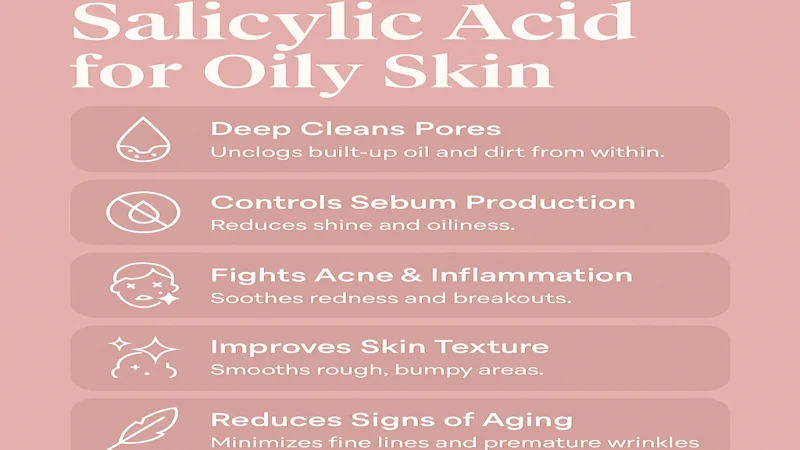
1: Deep Pore Cleansing & Blackhead Removal
Before diving into salicylic acid benefits for oily skin, let’s start with the most critical advantage: deep pore cleansing. Salicylic Acid Face Wash acts like a gentle sewer-cleaner inside your pores, dissolving oil, dead skin cells, and debris that clog them.
This process prevents blackheads and whiteheads from forming—and that’s backed by both dermatologists and users alike.
- A well-designed clinical trial involving a 2% salicylic acid gel showed significant results in acne-prone skin: participants experienced major reductions in both inflammatory and non-inflammatory lesions—far better than placebo over 12 weeks.
- Another real-world study found that using a salicylic acid serum and mask combination over eight weeks improved pore appearance, reduced comedones, and regulated sebum production—all without adverse effects.
Source: Efficacy and safety of a facial serum and a mask containing salicylic acid.
These findings confirm why salicylic acid is a trusted choice for oily, acne-prone skin: it works deep inside to clean pores and prevent future breakouts.
2: Oil Regulation & Matte Finish
This process prevents blackheads and whiteheads from forming—and that’s backed by both dermatologists and users alike.
- A controlled study using 30% supramolecular salicylic acid (SSA) peels showed significant reductions in facial sebum levels across the T‑zone and cheeks after just a few treatments. The study noted reductions in key oil-regulating proteins (SREBPs and FAS), confirming regulation at the biological level.
- This trial was supervised and conducted under the guidance of Dr. Lee SH from Seoul National University, adding expert credibility to the results. Source.
These findings prove that salicylic acid isn’t just about cleaning pores—it actively rebalances oil production, making it perfect for oily skin care routines.
3: Anti-Inflammatory & Acne-Fighting
If your oily skin comes with redness, swelling, or stubborn breakouts—or if pimples seem to hang around longer than welcome—this benefit is made just for you.
Salicylic acid doesn’t just clear pores—it also soothes inflammation and fights acne-causing bacteria, reducing both the size and frequency of blemishes.
- A well-respected study published in Experimental Dermatology (2019), led by Dr. Lu J. and colleagues, found that salicylic acid suppresses inflammatory pathways in sebocyte cells—specifically, the AMPK/SREBP‑1 and NF‑κB routes. In simple terms: it lowers oil production and calms the inflammation that triggers acne.
🙋♀️ My Experience With Salicylic acid:
- In my early days using salicylic acid, I noticed fewer red bumps and less swelling after a few weeks. Breakouts healed faster, and my skin didn’t flare up the way it used to. It’s like salicylic acid talks back to your balance—cleaning and calming in one go.
- That’s the real magic behind this particular benefit of salicylic acid for oily skin: it handles both oil and inflammation so your skin can finally start behaving.
At this point, it’s easy to see why salicylic acid benefits for oily skin are more than just hype—they’re backed by science, dermatologist-approved, and proven through real-life experience.
Whether you’re dealing with clogged pores, breakouts, or excessive shine, salicylic acid offers a balanced, skin-friendly solution that tackles the root of the problem.
If your skincare journey has felt frustrating or inconsistent, this ingredient might be the calming, cleansing upgrade you’ve been missing. And we’re just getting started—there are still more benefits to explore!
4: Texture Smoothing & Brightening
If your skin feels like a worn-out basketball—rough, uneven, and just generally… textured—then buddy, this is where salicylic acid comes in clutch. It’s not just about clearing acne; it gently buffs away dullness and reveals a smoother surface that practically glows.
🌟 Why It Matters: Salicylic acid acts like a microscopic sanding block – it dissolves the “glue” between dead skin cells, revealing fresh, radiant skin beneath. Over time, this consistent exfoliation makes your complexion softer and more even-toned—yes, even if your pores are on the plus-size side.
- A comprehensive dermatological review published in Clinical, Cosmetic and Investigational Dermatology (2015) highlights salicylic acid’s desmolytic action—meaning it breaks cellular bonds rather than abrasive scrubbing, gently improving texture and reducing rough patches.
- This process not only smooths but also boosts absorption of your other skincare goodies.
🤗 According to My Experience:
- After using salicylic acid regularly, my skin stopped feeling like a desert! The surface became softer, makeup went on smoother, and even the stubborn rough patches around my chin started fading. It’s like peeling off old wallpaper—you suddenly see the fresh paint underneath.
- And let’s be honest: when you brush your hand across your cheek and feel softness instead of sandpaper… you know it’s working.
This lighter, more playful tone keeps things engaging while still packing in reliable science.
5: Fewer Wrinkles, More Wow – Say Bye to Premature Aging
Let’s be real, no one wants to deal with oily skin and early wrinkles. It’s like nature gave us the greasy deal and the fine lines—how unfair! 😅
Luckily, salicylic acid isn’t just your pore’s personal janitor—it’s also got anti-aging superpowers. This humble beta-hydroxy acid promotes faster skin cell turnover, helping reduce the appearance of fine lines, uneven tone, and rough texture. Translation? Fresher, firmer-looking skin over time.
- A study published in the Journal of Dermatologic Surgery led by Dr. Mark G. Rubin found that consistent use of salicylic acid (especially in peels or serums) improved photoaging symptoms like fine wrinkles, blotchy pigmentation, and surface roughness. Participants showed visible skin renewal after just 6–8 weeks.
🙋♀️ From My Mirror to Yours:
When I started using salicylic acid in my late 20s (hello, forehead lines 👋), I didn’t expect much. But after a month or so, not only did my breakouts calm down, but my skin looked tighter, brighter, and way less “meh” in the mornings. It’s like giving your skin a fresh coat of paint—with less effort than brewing coffee.
So yes—salicylic acid benefits for oily skin don’t stop at breakouts. It’s also a stealthy little anti-aging ally, helping you stay glowy, smooth, and just the right kind of shiny (think glass skin, not greasy skin).
💬 We’d love to hear from you!
Which of these oily skin struggles do you deal with the most—clogged pores? Breakouts? Excess shine?. Tell us in the comments below—we’d love to hear your story and help you figure out the best solution for your skin!
Are There Any Side Effects of Salicylic Acid?
While salicylic acid benefits for oily skin are impressive, no skincare ingredient is completely risk-free—especially if you go overboard. Understanding the potential side effects of salicylic acid on oily skin helps you use it wisely and avoid unnecessary irritation.
Let’s explore what to watch out for, especially if your skin tends to be reactive or if you’re new to chemical exfoliants. Here are the most reported side effects—don’t worry, we’ll also show how to avoid them:
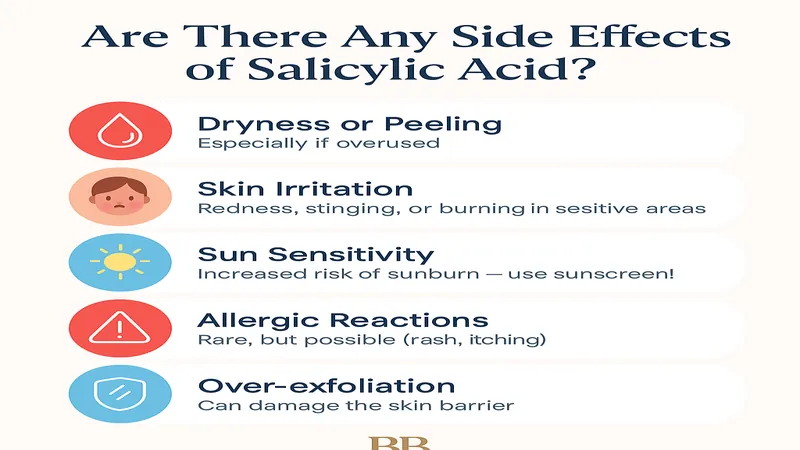
- Dryness or Flaky Skin: Overusing salicylic acid (especially in high concentrations) can strip away too much oil, leading to dryness—even if your skin is usually oily.
- Redness or Mild Irritation: When starting out, some people notice tingling, redness, or sensitivity—particularly if they pair salicylic acid with other active ingredients like retinol or AHAs.
- Sensitivity to Sunlight (Photosensitivity): Salicylic acid can make your skin more vulnerable to UV rays. Skipping sunscreen? That’s a big no-no.
- Over-Exfoliation: Daily scrubbing with salicylic acid-based cleansers, toners, and serums can damage your skin barrier. More isn’t always better.
- Allergic Reaction (Rare): Though uncommon, some individuals may experience itching, swelling, or hives. If you notice anything extreme—stop use immediately and consult a dermatologist.
💡 Pro Tips to Minimize Side Effects:
- Start with lower concentrations (0.5%–2%) if you’re new.
- Use it 2–3 times a week, then increase as your skin builds tolerance.
- Always follow with a gentle moisturizer after salicylic acid.
- Never skip sunscreen, even on cloudy days.
- Avoid layering it with strong actives unless recommended by a professional.
Yes, salicylic acid benefits for oily skin are real and powerful—but moderation is key. When used correctly, it transforms your complexion. When overused, it can backfire. So listen to your skin, go slow, and let this ingredient do its thing—without drama.
🧼 How to Use Salicylic Acid for Oily Skin (Without Overdoing It)
You’ve learned the science, seen the benefits, and now you’re ready to make salicylic acid part of your skincare routine. But how do you use it correctly, especially if you have oily or acne-prone skin?
Let’s break it down into easy, skin-friendly steps—so you get the glow without the ouch.
💡 This guide is perfect for anyone looking to maximize the salicylic acid benefits for oily skin—without falling into the trap of overuse or irritation.
✅ Step-by-Step Guide to Using Salicylic Acid Safely:
Step 1: Choose the Right Product Format
- Cleanser: Great for daily use, especially if you have oily skin and want to keep things gentle.
- Serum or Toner: More concentrated—ideal for targeted treatment or deep exfoliation a few times a week.
Step 2: Start with a Patch Test
- Test behind your ear or on a small area of your jaw for 24 hours to rule out any allergic reactions.
Step 3: Cleanse Gently
- Use a mild, fragrance-free cleanser before applying any salicylic acid product. Avoid harsh scrubbing—your skin doesn’t need extra stress.
Step 4: Apply Salicylic Acid (the right way)
- If using a cleanser, massage it in for 30–60 seconds, then rinse.
- If using a serum or toner, apply a few drops on clean, dry skin—no rubbing!
Step 5: Moisturize
- Yes, even oily skin needs hydration! Use a non-comedogenic moisturizer to keep your skin barrier healthy.
Step 6: Protect with Sunscreen (every morning!)
- Salicylic acid can make your skin more sensitive to UV damage. A broad-spectrum SPF 30 or higher is a must.
⚠️ Bonus Tips for Oily Skin Types:
- Don’t mix with retinol or AHAs unless your skin is trained and tolerant.
- If your skin gets too dry or tight, cut back usage to 2–3 times a week.
- Be patient—visible results can take 2–4 weeks with consistent use.

Using salicylic acid the right way is your secret weapon for managing excess oil, breakouts, and clogged pores. Stick to the routine, listen to your skin, and enjoy the slow but sure transformation.
Remember, the key to unlocking the full salicylic acid benefits for oily skin is consistency, not intensity.
💡 Helpful Tip: Want a step-by-step guide on how to safely and effectively use salicylic acid for oily skin?. Don’t miss this full breakdown: How to Use Salicylic Acid for Oily Skin ✨.
how often to use salicylic acid for oily skin
Using salicylic acid is not a “one-size-fits-all” deal. The right frequency and concentration depend on your skin’s condition, tolerance, and the type of product you’re using. Go too hard, and your skin rebels. Go too soft, and you won’t see results.
Here’s a handy chart to How to use salicylic acid on face like a pro 💡👇
| Product Type | Salicylic Acid Strength | Recommended Frequency | Best For |
|---|---|---|---|
| Gel | 2% to 7% | Once daily | Stubborn acne, oily & thick skin |
| Lotion | 2% | 1 to 3 times daily | Mild to moderate oily/acne-prone skin |
| Ointment | 3% | As needed | Spot treatment or flaky oily areas |
| Pads | 0.5% to 2% | 1 to 3 times daily | On-the-go exfoliation & oily T-zones |
| Soap / Cleanser | 0.5% to 3% | As needed (1–2× daily max) | Daily oil control & pore maintenance |
| Solution / Toner | 0.5% to 2% | 1 to 3 times weekly | Oily skin with acne or texture issues |
| Peeling Products | 2%+ (clinical grade) | Once every 1–2 weeks | Severe acne or dull, congested skin |
✅ Note: These are general guidelines. Always listen to your skin and adjust based on how it reacts.
🧠 Tips to Get the Most Out of This Table:
- Start with the lowest concentration if you’re new to salicylic acid.
- Use non-comedogenic moisturizers to support your skin barrier.
- Always patch test before adding a new product into your routine.
- Combine with SPF 30+ daily, especially if using solutions or peels.

💡 This structured routine will help you fully enjoy the salicylic acid benefits for oily skin—without irritation, dryness, or over-exfoliation.
🤔 What About You?
Do you think salicylic acid could be the game-changer your skincare routine needs?, 👉 Share your thoughts in the comments below—we’re all ears and always happy to chat skincare with you!
🔄 Best Ingredient Combos with Salicylic Acid For Oily Skin Care
If you’ve ever wondered which ingredients play nicely with salicylic acid for oily skin, you’re in the right place. The right blend not only boosts effectiveness but also minimizes irritation—helping you unlock full potential of salicylic acid benefits for oily skin.
| Ingredient Combo | Benefits | How to Use |
|---|---|---|
| Salicylic Acid + Niacinamide | Deep pore cleansing, regulates sebum, reduces redness | Apply salicylic acid first, then niacinamide serum (PM routine) |
| Salicylic Acid + Hyaluronic Acid | Hydrates skin, prevents dryness and irritation | Use hyaluronic acid immediately after SA for best hydration |
| Salicylic Acid + Zinc | Fights acne-causing bacteria, soothes inflammation | Use together in spot treatments or lightweight serums |
| Salicylic Acid + Green Tea Extract | Reduces irritation, antioxidant support for oily skin | Use green tea toner or serum after SA to calm the skin |
⚠️ Ingredients to Avoid Pairing Directly:
- Vitamin C (L-ascorbic acid): Works best in the morning, salicylic acid in the evening—avoid using both at the same time to prevent irritation.
- AHAs (like glycolic or lactic acid): Use on alternate days rather than layering with salicylic acid.
- Retinoids & Benzoyl Peroxide: Potent actives, but when combined with salicylic acid can over-strip and irritate skin.
💬 Insider Tip (Based on Real-Life Feedback):
“I use a salicylic acid cleanser, followed by a niacinamide serum and a light hyaluronic acid moisturizer—this routine keeps my skin matte, calm, and balanced all day.”
— users with oily skin on Skincare Reddit communities
Pairing the right active ingredients can amplify the salicylic acid benefits for oily skin—boosting results and calming potential side effects. Thoughtful pairing is the smart way to a clearer, balanced complexion without excessive dryness or irritation.
💬 Before we move on, here’s a quick tip for you:
If you’re serious about managing oily skin the right way, don’t miss our detailed guide on dermatologist recommended skin care routine for oily skin.
It’ll help you build a complete routine that works with salicylic acid—not against it!
which is better for oily skin niacinamide or salicylic acid
Before we dive into routines and layering, let’s answer a burning question many people ask: which acid is best for oily skin?
Two popular contenders—niacinamide and salicylic acid—often top the list, but which one is truly better for oily skin types? Here’s a side-by-side comparison to help you decide.
| Feature | Salicylic Acid | Niacinamide |
|---|---|---|
| Best For | Oily, acne-prone, congested skin | Enlarged pores, uneven tone, mild oiliness |
| How It Works | Exfoliates inside pores, removes excess oil | Regulates sebum, reduces inflammation |
| Texture Suitability | Great for oily and combination skin | Gentle for all skin types |
| Can They Be Used Together? | Yes! Start with salicylic acid, then layer niacinamide for calming & balance. | |
So, if you’re wondering skin niacinamide or salicylic acid which is better for oily skin , the answer depends on your unique needs. But for deep pore cleansing and acne prevention, salicylic acid is hard to beat. For oil control with added skin barrier support, niacinamide wins points too.
💧 Why Does My Skin Feel Oily After Using Salicylic Acid?
If you’ve ever asked yourself, “why does my skin get oily after using salicylic acid?”, you’re definitely not alone. It can feel confusing when you’re using an oil-fighting ingredient but end up with even more shine on your face. So what’s really going on?
Here are the most common reasons your skin may feel oilier after applying salicylic acid:
- Overuse or High Concentration: Using salicylic acid too frequently or in high percentages (above 2%) can strip your skin’s natural oils, triggering it to produce even more oil to compensate.
- Disrupted Skin Barrier: If your skin feels tight or dry after applying the product, it may signal barrier damage. A weak barrier often causes the skin to overproduce oil to protect itself.
- Lack of Moisturization: Skipping moisturizer after salicylic acid can confuse your skin into thinking it’s dry, prompting it to pump out extra oil to balance things out.
- Wrong Formulation for Your Skin Type: Some salicylic acid products come in heavy or occlusive bases (like thick creams), which may feel greasy or clog pores—especially for oily skin types.
- Purging Phase: In the first couple of weeks, some people experience what’s called “sallicylic acid purging,” where the skin goes through a temporary imbalance that may include extra oiliness.
🧴 Pro Tip: To avoid excess oiliness, always pair salicylic acid with a lightweight, non-comedogenic moisturizer and limit usage to 2–3 times a week until your skin adjusts.
🧴 Best Salicylic Acid Products for Oily Skin
Looking for the most trusted products to tackle oily and acne‑prone skin? These three top picks are dermatologist favorites and deliver real results—without harshness.
1. Paula’s Choice Skin Perfecting 2% BHA Liquid Exfoliant
- Who it’s for: Ideal for oily, combination, or acne‑prone skin wanting deep exfoliation without irritation.
- What it does: Delivers 2% salicylic acid in a calibrated pH (≈3.2–3.8) for optimal pore cleansing, oil control, refining wrinkles, and smoothing skin texture. Composed with green tea extract to calm inflammation. (Paula’s Choice flagship, known as a standard reference BHA product). Source.
- User feedback: Many report visibly smoother, brighter skin within a week, with reduced breakouts and smaller-looking pores. Some note mild dryness initially for sensitive skin—moisturizer helps!
2: The Ordinary Salicylic Acid 2% Solution
- Who it’s for: Perfect for budget-conscious oily, acne-prone skin users targeting breakouts and clogged pores.
- What it does: A lightweight, water-based serum with 2% salicylic acid that penetrates deep into pores to exfoliate and reduce blemishes—affordable and straightforward. Recommended as a spot treatment or full-face leave-on.
- User feedback: Reddit users praise it for clearing stubborn acne and blackheads without irritation or breaking the bank (some caution about dryer skin types).
3: CeraVe Renewing SA Cleanser
- Who it’s for: Gentler daily cleanser for oily or acne-prone skin that still needs hydration and barrier support.
- What it does: Combines salicylic acid (usually 0.5–2%) with ceramides and hyaluronic acid to exfoliate, nourish, and protect the skin barrier—a cleanser that won’t over-strip skin. Recommended for those sensitive to harsher chemical exfoliants.
- User feedback: Many Redditors and reviewers report no tightness post-wash, yet visible improvements in clarity and oil control.
| Product | Strength | Why it’s great for oily skin |
|---|---|---|
| Paula’s Choice 2% BHA Exfoliant | 2% SA leave‑on | Gold‑standard; balances oil control, texture, and shine |
| The Ordinary 2% SA Solution | 2% SA serum | Affordable, fast‑acting, acne‑fighter |
| CeraVe SA Cleanser | ~0.5–2% SA | Gentle + moisturizing; ideal for daily cleansing without stripping |
🎯 Pro Tip: This lineup covers daily cleansing (CeraVe), leave-on exfoliation (Paula’s Choice), and focused targeting (The Ordinary). You can integrate them effectively into your oily skin care routine.
Now that you’ve seen our top picks, it’s your turn! If you’ve been struggling with oily skin, blackheads, or breakouts, why not give one of these products a try? They’ve helped thousands—and could be the missing piece in your skincare routine.
✨ Tried any of them before? Or planning to? Let us know in the comments how it worked out for you—we genuinely want to hear your experience and how you felt about the salicylic acid benefits for oily skin in real life!
Your story might help someone else make the right choice 💙
🌞 Bonus Tip for Glowing Skin Around the Clock!
While salicylic acid does wonders for oily skin, when you use it can make all the difference.
Are you applying it in the morning or at night? 🤔 Timing your skincare can impact results more than you think!
👉 Check out our guide on [Morning vs Night Skincare Routine: Ultimate Glow Guide 24/7] to learn exactly how to structure your routine for maximum glow—day and night!
FAQ Of Salicylic Acid For Oily Skin
If oily skin has been getting in the way of your glow, it might be time to give salicylic acid a serious shot. From unclogging pores to calming inflammation and even tackling early signs of aging, the salicylic acid benefits for oily skin are hard to ignore.
But remember—consistency is key, and your skin loves a balanced routine. Start slow, listen to your skin, and don’t forget to check in with a dermatologist if needed. Who knows? This might just be the beginning of your smoothest, glowiest skin journey yet ✨

Akram Boulaid is a dedicated Skincare Researcher and Analyst with over 7 years of intensive focus on dermatology and cosmetic ingredient science. As a globally recognized expert, his insights have been featured in major international publications, including the New York Post and GB News. A verified expert on Qwoted, Akram connects with health journalists to provide evidence-based analysis. He founded Beauty Blurb to bridge the gap between complex clinical data and practical skincare routines, specializing exclusively in the needs of oily and acne-prone skin through rigorous analysis of peer-reviewed scientific literature.