
If your skin gets oily by lunchtime or your T-zone is constantly shiny, you’re not alone—and yes, salicylic acid can help. Knowing how to use salicylic acid for oily skin is all about balance: using just enough to clear out pores and reduce excess oil, without drying you out.
Whether you’re dealing with breakouts or just want smoother texture, it starts with choosing the right product and applying it the right way.

In this guide, I’ll show you exactly how to use salicylic acid on face the smart way—especially if your skin tends to be oily or acne-prone. We’ll talk about which types of products work best, when to apply them, how often, and how to avoid irritation.
By the end, you’ll feel totally confident building your own routine that actually works for your skin.
How to Use Salicylic Acid for Oily Skin in Your Skincare Routine
Let’s be real—figuring out where salicylic acid fits into your routine can feel a little confusing at first, especially when your skin is oily and moody. Should you use it before moisturizer? Only at night? Every day or just a few times a week? Don’t worry, I’ve been there too, and I promise it’s not as complicated as it sounds.
In this part, I’ll walk you through how to apply salicylic acid on face the right way, so it actually works without stressing your skin out.
Whether you’re using a cleanser, toner, or serum, I’ll help you figure out exactly where it belongs in your routine—and how to build a rhythm that keeps your skin clear, balanced, and happy.
A: Can I use salicylic acid in both AM and PM routines if I have oily skin?
Mybe you wondring when to use salicylic acid in skincare routine, You can use salicylic acid in both AM and PM — but only under specific conditions. Oily skin is generally more tolerant to salicylic acid, especially at lower concentrations.
You can use it in both morning and evening routines if:
- You’re using gentle, low-concentration products (0.5%–1% in cleanser or toner form).
- You monitor your skin for signs of irritation (redness, peeling, tightness).
- You always apply sunscreen in the morning.
For serums or stronger treatments (1.5%–2%), once per day — ideally at night — is usually enough. Overuse can lead to dryness and damage your skin barrier, even if your skin is oily.
B: 🌞 Morning Routine: Using Salicylic Acid Without Overdoing It
Okay girl, let’s talk mornings. If your skin wakes up feeling greasy or shiny by the time you’ve had your coffee, then adding salicylic acid to your AM routine might be exactly what you need—but we’re going to keep it light and gentle, promise.
✨ Because you’re working with oily skin, using salicylic acid in the morning is okay — especially in the form of a gentle toner or foaming cleanser with 0.5%–1%. But make sure to follow with sunscreen, and avoid layering other strong actives.
Here’s how your morning routine should look if you’re using salicylic acid:
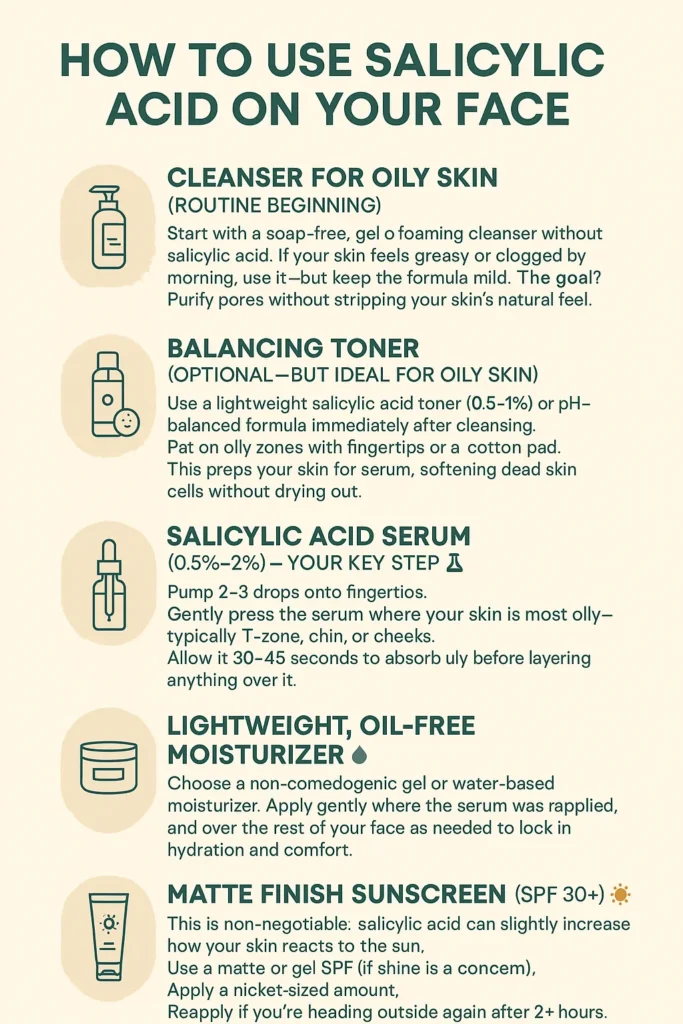
1: Cleanser for oily skin (Routine Beginning)
Start with a soap‑free, gel or foaming cleanser without salicylic acid. If your skin feels greasy or clogged by morning, use it—but keep the formula mild. The goal? Purify pores without stripping your skin’s natural feel.
💡 Skip the cleanser if you already used salicylic serum the night before and your skin feels clean—no double dose, okay?
2: Balancing Toner (Optional—but ideal for oily skin)
Use a lightweight salicylic acid toner (0.5–1%) or pH-balanced formula immediately after cleansing.
- Pat on oily zones with fingertips or a cotton pad.
- This preps your skin for serum, softening dead skin cells without drying out.
- Derms recommend toners before any serum or moisturizer to ensure smooth absorption.
3: Salicylic Acid Serum (0.5%–2%) – Your Key Step 🧪
This is your main tool for clearing pores and balancing sebum:
- Pump 2–3 drops onto fingertips.
- Gently press the serum where your skin is most oily—typically T-zone, chin, or cheeks.
- Allow it 30–45 seconds to absorb fully before layering anything over it.
Science says:
In a 21-day clinical trial led by Dr. Ye Liu and Dr. Yanjun Dan at Fudan University, 42 women with oily or combination skin used a 2% salicylic acid gel twice daily.
- Sebum levels dropped by 23.6%.
- Skin hydration rose by 40.5%.
- Acne severity (IGA scale) improved by 23.8%.
Best part: Only 5% of participants experienced mild, temporary itchiness—no allergic reactions. Source.
This is powerful evidence that a well-formulated salicylic serum delivers real impact—just on how do you use salicylic acid on your face 💡
4: Lightweight, Oil-Free Moisturizer 💧
Choose a non-comedogenic gel or water-based moisturizer. Apply gently where the serum was applied, and over the rest of your face as needed to lock in hydration and comfort.
5: Matte Finish Sunscreen (SPF 30+) ☀️
This is non-negotiable: salicylic acid can slightly increase how your skin reacts to the sun.
- Use a matte or gel SPF (if shine is a concern),
- Apply a nickel-sized amount,
- Reapply if you’re heading outside again after 2+ hours.
So, how do you use salicylic acid on your face without stressing your skin? Easy—you keep it smart and balanced.
You start with a gentle cleanse, follow with a light toner (optional but helpful), then apply your salicylic acid serum to oily areas where it can really do its job. Lock everything in with a lightweight moisturizer, and never skip that SPF.
This routine lets you enjoy the power of salicylic acid without overdoing it—keeping your oily skin clean, calm, and protected all day long. 💛
C: 🌙 How to use salicylic acid for oily skin at night (Nighttime Routine)
When the day ends and your skin finally gets a break from makeup, pollution, and sun exposure, that’s the perfect time to let salicylic acid work its magic. Knowing how to use salicylic acid for oily skin at night helps unclog your pores, reduce excess oil, and calm inflammation, all while your skin repairs and renews itself.
At night, you can go slightly stronger with a serum or treatment (1%–2%) to target oil buildup and c. Here’s a gentle but effective nighttime routine designed specifically for oily skin lovers:
1: Double Cleanse (Oil-based cleanser + Salicylic Acid Cleanser)
Start with an oil-based cleanser or micellar water to remove makeup, sunscreen, and surface impurities. This step makes sure your skin is truly clean without over-drying.
Follow with a salicylic acid cleanser (1%–2%) to deeply clean pores and prevent clogged buildup overnight. Use lukewarm water to rinse gently.
2: Apply a Salicylic Acid Serum
After cleansing, apply your salicylic acid serum (1%–2%) to help exfoliate inside the pores and reduce oiliness. Use 2–3 drops and gently spread over your face, focusing on the T-zone and any breakout-prone areas. Let it absorb fully for about 30 seconds.
4: Spot Treatment (If Needed)
For active pimples or stubborn spots, use a targeted salicylic acid spot treatment at this stage. It’s best to apply it only on blemishes to avoid irritation on the surrounding skin.
5: Hydrating Moisturizer or Night Cream
Seal in all that good work with a non-comedogenic, lightweight moisturizer or a calming night cream. Look for ingredients like niacinamide or ceramides that soothe and repair skin barrier.
6: Optional: Face Oil or Sleeping Mask
If your skin feels dry or tight, finish with a light layer of nourishing face oil or a hydrating sleeping mask—but only if your skin tolerates it well.
Tips for Best Results:
- Avoid mixing salicylic acid with other strong actives (like retinol or AHAs) in the same routine to prevent irritation.
- Start slow—use salicylic acid serum or cleanser 3–4 times a week and increase gradually as your skin builds tolerance.
- Always moisturize and never skip hydration, even if your skin is oily.

💡 Professional Tip: While this nighttime routine with salicylic acid is a great start, remember that every oily skin type has its unique needs. For best, personalized results—and to avoid irritation or overuse—it’s always a good idea to consult a dermatologist.
They can recommend a tailored skincare routine, combining salicylic acid with other treatments safely and effectively. Stay tuned for our upcoming guide on the Dermatologist Recommended Skin Care Routine for Oily Skin to take your skincare game to the next level!
How to Use Salicylic Acid for Dark Spots
Dealing with dark spots can be frustrating, but incorporating salicylic acid into your skincare routine might be the solution you’ve been searching for.
This beta-hydroxy acid (BHA) is renowned for its ability to exfoliate the skin, unclog pores, and reduce inflammation, making it particularly effective for treating post-inflammatory hyperpigmentation (PIH) and other types of dark spots.
1: How Salicylic Acid Works on Dark Spots
Salicylic acid penetrates deep into the pores, helping to shed dead skin cells and promote cell turnover. This process not only prevents new breakouts but also gradually fades existing dark spots by encouraging the growth of fresh, even-toned skin.
📚 Scientific Backing
A study published in the Journal of Drugs in Dermatology evaluated a topical product containing 0.5% ellagic acid and 0.1% salicylic acid for its skin-lightening effects.
The results indicated a significant reduction in hyperpigmentation, suggesting that salicylic acid can be effective in treating dark spots when used in appropriate formulations. Source.
2: How to Incorporate Salicylic Acid into Your Routine
- Cleanse: Start with a gentle cleanser to remove impurities without stripping the skin.
- Apply Salicylic Acid: Use a serum or treatment containing salicylic acid, focusing on areas with dark spots.
- Moisturize: Follow up with a hydrating moisturizer to maintain the skin’s barrier.
- Sun Protection: Always apply a broad-spectrum sunscreen during the day, as salicylic acid can increase skin sensitivity to the sun.
Tips for Salicylic Acid Uses for Oily Skin
- Start Slowly: Introduce salicylic acid into your routine gradually to allow your skin to build tolerance.
- Avoid Mixing: Be cautious when combining salicylic acid with other potent actives like retinol or vitamin C to prevent irritation.
- Consistency is Key: Regular use over several weeks is necessary to see noticeable improvements in dark spots.
💡 Note: Now that you know how to use salicylic acid for dark spots effectively, don’t forget there’s so much more this powerhouse ingredient can do!
If you want to unlock all the secrets and discover the top benefits that dermatologists swear by for oily skin, check out our detailed guide: 5 Salicylic Acid Benefits for Oily Skin . Your skin will thank you!
How Often Should I Use Salicylic Acid Serum For Oily Skin?
If you’ve been wondering how to use salicylic acid for oily skin without overdoing it, you’re not alone! Salicylic acid is a fantastic ingredient for keeping oily skin clear and fresh, but knowing how often to use it is key to avoid irritation and get the best results.
how many times a day to use salicylic acid
| Skin Sensitivity Level | Concentration (%) | Usage Frequency (per week) | Notes |
|---|---|---|---|
| Beginner | 0.5 – 1.5 | 2 to 3 times | Start with a low concentration to assess skin response. |
| Intermediate | 1.5 – 2 | 3 to 4 times | Monitor your skin’s reaction and increase frequency gradually if no irritation occurs. |
| Advanced | 2 – 3 | 5 to 7 times (daily) | Use in the evening and always apply sunscreen during the day to protect your skin. |
| Spot Treatment | 5 | As needed | Use only on blemishes or problem spots, not for full-face application. |
📚 Supporting Clinical Study
A study published in the Journal of Drugs in Dermatology evaluated a facial serum containing both salicylic and lipohydroxy acids. The results indicated statistically significant improvements in acne, skin hydration, and sebum secretion, demonstrating the efficacy of salicylic acid in treating oily skin. Source.
Dermatologists often recommend starting with lower concentrations of salicylic acid, especially for those with sensitive skin. It’s crucial to avoid overuse, as excessive application can lead to dryness or irritation. Always pair salicylic acid treatments with sun protection during the day, as it can increase skin sensitivity to the sun.
What NOT to Do When Using Salicylic Acid For Oily Skin?
When learning how to use salicylic acid on face, it’s just as important to know what not to do. Using this powerful ingredient incorrectly can lead to irritation, dryness, or even damage to your skin barrier. Here are some common mistakes to avoid:
- Don’t Overuse It: More isn’t always better! Applying salicylic acid too often or using too high a concentration can cause redness and peeling. Stick to the recommended frequency and concentration for your skin type.
- Avoid Mixing with Harsh Ingredients: Be careful when combining salicylic acid with other strong actives like retinol, benzoyl peroxide, or other exfoliating acids (like glycolic acid). This can overwhelm your skin and cause irritation.
- Don’t Skip Sunscreen: Salicylic acid can make your skin more sensitive to the sun. Always apply a broad-spectrum sunscreen during the day to protect your skin from harmful UV rays.
- Avoid Applying on Broken or Inflamed Skin: If your skin is already irritated, broken, or sunburned, avoid using salicylic acid until it heals. Applying it on damaged skin can worsen inflammation and delay recovery.
- Don’t Forget to Moisturize: Salicylic acid can be drying, so it’s important to keep your skin hydrated with a gentle moisturizer to maintain a healthy skin barrier.
Remember, mastering how to use salicylic acid for oily skin means balancing its powerful benefits with gentle care. Stay consistent but listen to your skin!
What is the best time to use salicylic acid for Oily Skin?
Knowing how do i use salicylic acid on my face, includes understanding the best time to apply it in your skincare routine. Timing can make a big difference in how effective it is and how your skin responds.
1: Evening is Usually Best: Salicylic acid works wonders overnight by gently exfoliating dead skin cells and unclogging pores while you sleep. Using it in the evening helps your skin recover without sun exposure, which can sometimes increase sensitivity.
2: Morning Use Requires Extra Care: If you prefer using salicylic acid in the morning, make sure to follow it up with a broad-spectrum sunscreen. This is essential because salicylic acid can make your skin more prone to sun damage.
3: Don’t Use salicylic acid With Other Strong Actives at the Same Time: To avoid irritation, don’t combine salicylic acid with other potent ingredients like retinol or vitamin C in the same routine. You can alternate their use on different days or times.
Quick Tip:
For those new to salicylic acid, starting with nighttime application 2-3 times a week is a great way to build tolerance and see results without overwhelming your skin.
Let your skin guide you—if it feels too dry or irritated, reduce usage or switch to evenings only. This approach helps you enjoy all the benefits of salicylic acid safely and effectively!
My Experience Using Salicylic Acid for Oily Skin at Night
Trying something new for your skin can feel exciting and scary — especially when it involves acids! Here’s how it went for me when I decided to use salicylic acid for oily skin at night, starting slow and staying consistent:
📅 Days 1–4: The Gentle Start
I began with a 1% salicylic acid serum, applying it every other night right after cleansing and toning. I didn’t feel anything dramatic right away — maybe a slight tingling the first time — but no irritation. I made sure to use a soothing, gel-based moisturizer after, which really helped balance things out.
Skin status: No breakouts, no dryness — so far, so good!
📅 After 1 Week: Small Signs of Progress
By day 7, I noticed my skin felt less greasy in the morning. That stubborn shine on my T-zone? Slightly more controlled. I also realized that my usual “random” breakouts had slowed down. No new pimples showed up during my period — that never happens!
I kept the rest of my routine super simple, no actives, just hydration.
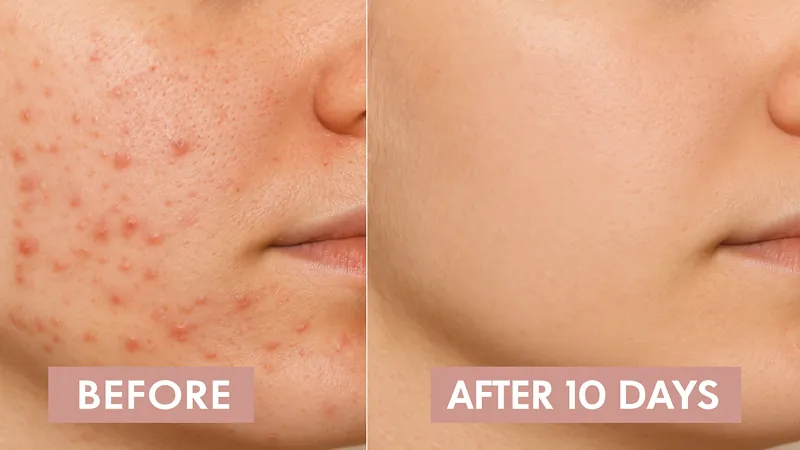
📅 After 10 Days: Clearer, Calmer Skin
This is when I really started seeing results. My pores (especially around my nose and chin) looked visibly cleaner. The texture of my skin felt smoother, and my makeup went on better. Even my boyfriend said, “Your skin looks glowy.”
No purging, no peeling — just steady improvement. I was using the serum 3–4 times a week by this point, always at night, and my skin was loving it.
🌟 Final Thoughts
If you’re thinking about whether or not to use salicylic acid for oily skin at night, I highly recommend starting slow, listening to your skin, and giving it time. It’s not an overnight miracle, but the steady glow-up is so worth it.
FAQ Of How To Use Salicylic Acid For Oily Skin
Thank you for reading our guide on How To Use Salicylic Acid For Oily Skin. We hope you found the tips helpful and easy to follow. Give the method a try in your skincare routine and see the difference it can make in managing oily skin.
We’d love to hear about your experience, so don’t hesitate to share your thoughts and questions in the comments below!

Akram Boulaid is a dedicated Skincare Researcher and Analyst with over 7 years of intensive focus on dermatology and cosmetic ingredient science. As a globally recognized expert, his insights have been featured in major international publications, including the New York Post and GB News. A verified expert on Qwoted, Akram connects with health journalists to provide evidence-based analysis. He founded Beauty Blurb to bridge the gap between complex clinical data and practical skincare routines, specializing exclusively in the needs of oily and acne-prone skin through rigorous analysis of peer-reviewed scientific literature.